Share:


What We Did
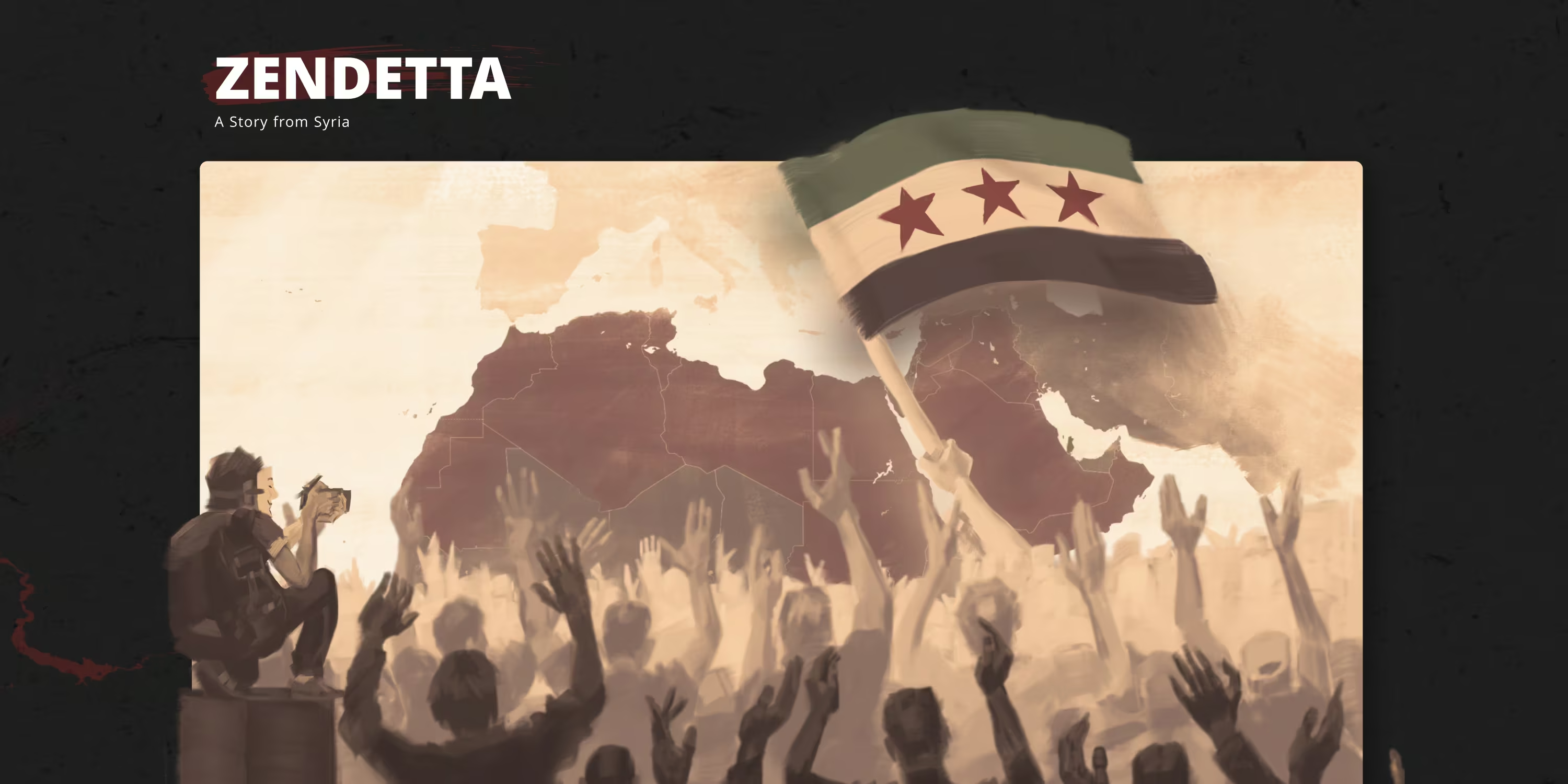
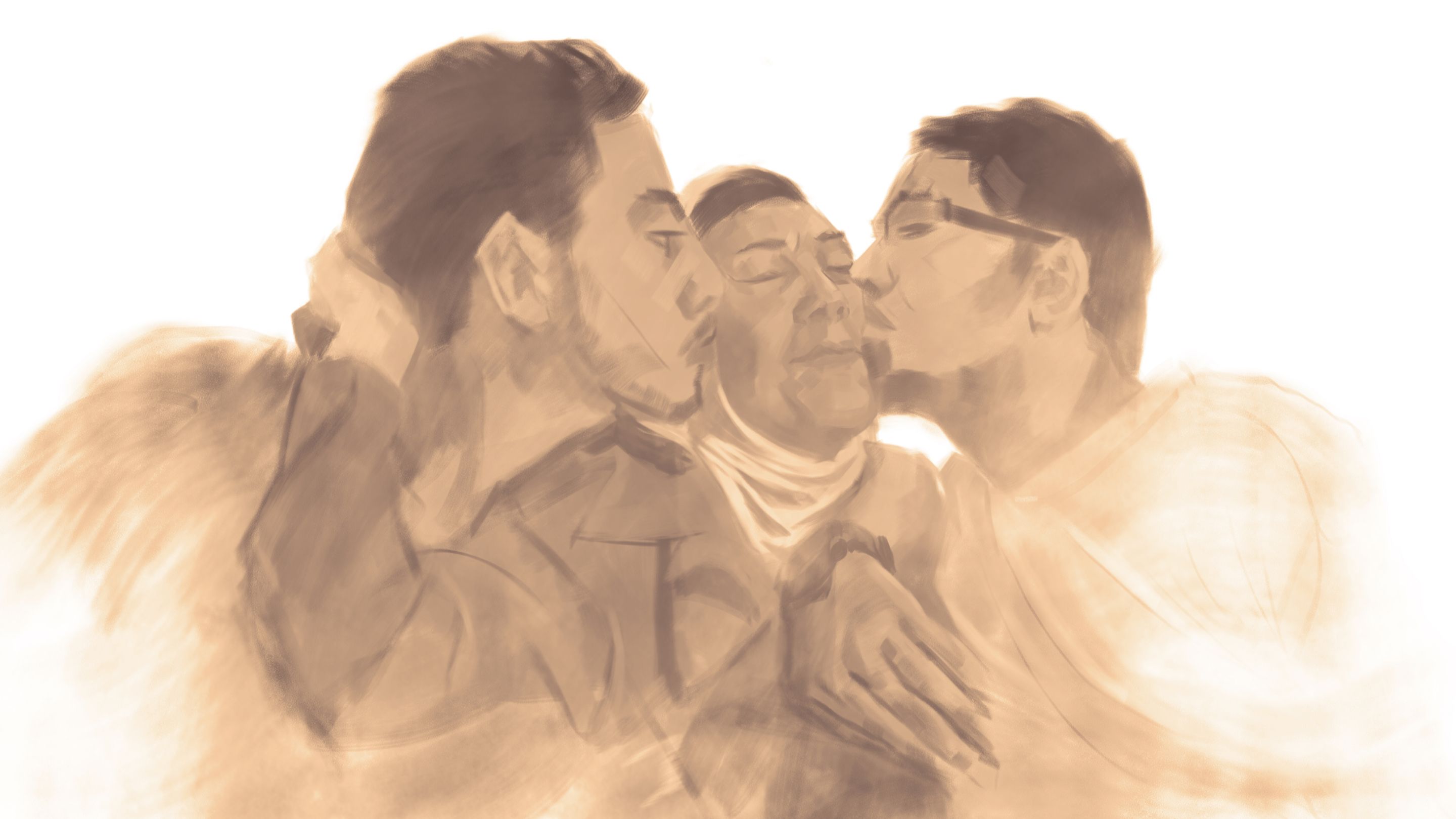
Zendetta tells the story of Karam Alhamad, a Syrian activist who joined thousands of others marching in the streets of Deir Ezzor during the revolution against President Bashar al-Assad. From protestor to war journalist, political detainee, refugee, and policy advocate, Karam’s journey reflects the lived reality of millions affected by a conflict that has now spanned well over a decade.
The goal was to condense Karam’s story into a ten-minute interactive WebGL experience that could evoke passion, hope, and empathy through visual storytelling. Beyond documenting a single life, the project aimed to shed light on the continued detention of Syrians as a result of activism, and the broader human consequences of the conflict.
Since its launch, Zendetta has gone on to become the most awarded project in Psychoactive’s history, recognised internationally for its craft, narrative depth, and technical execution.
The project later contributed to our nomination for Awwwards Agency of the Year 2022.
How We Did It
From the beginning, we knew illustration would be the primary storytelling device. The artwork needed to immediately draw audiences in while carrying emotionally complex subject matter with care.
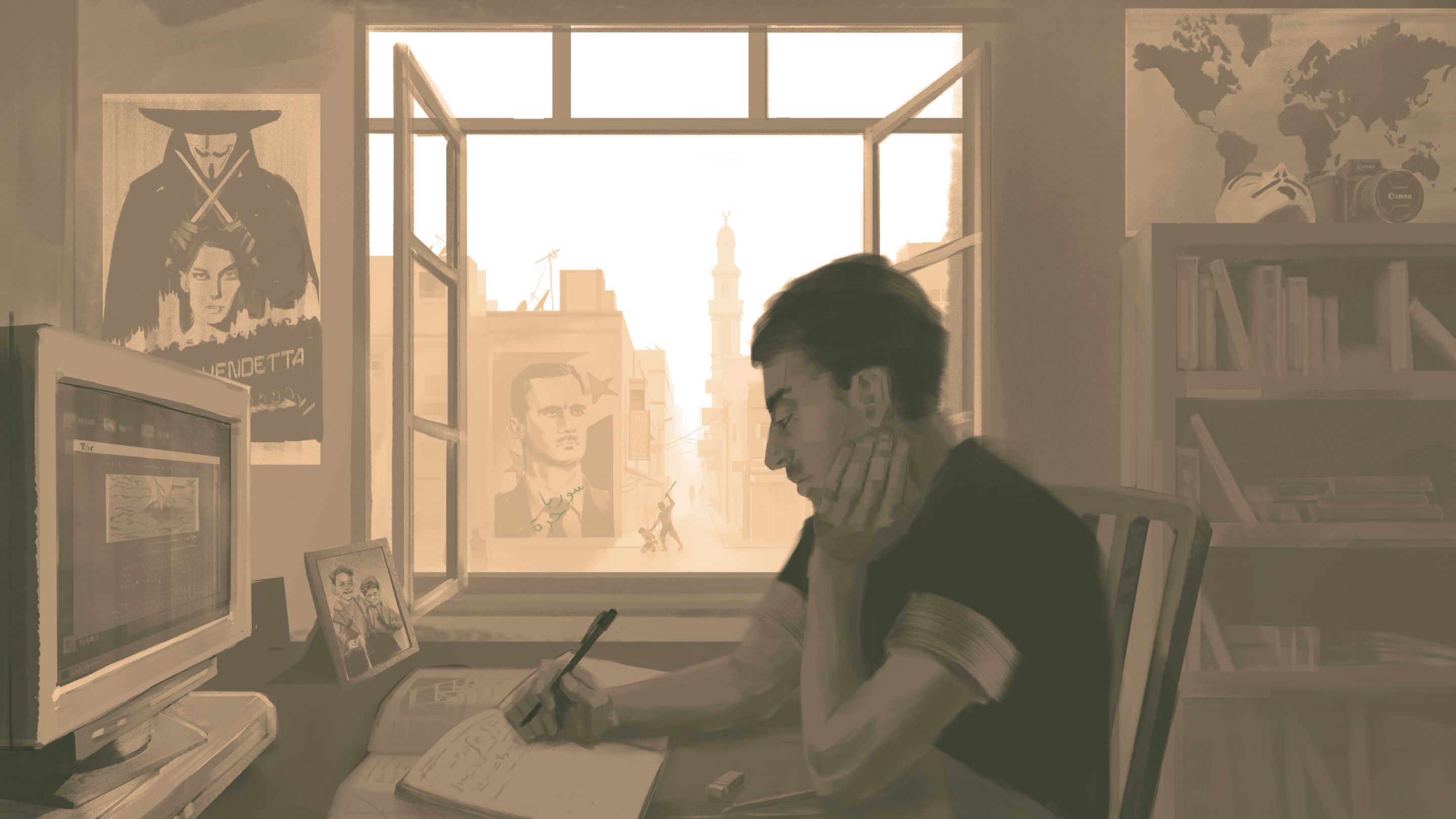
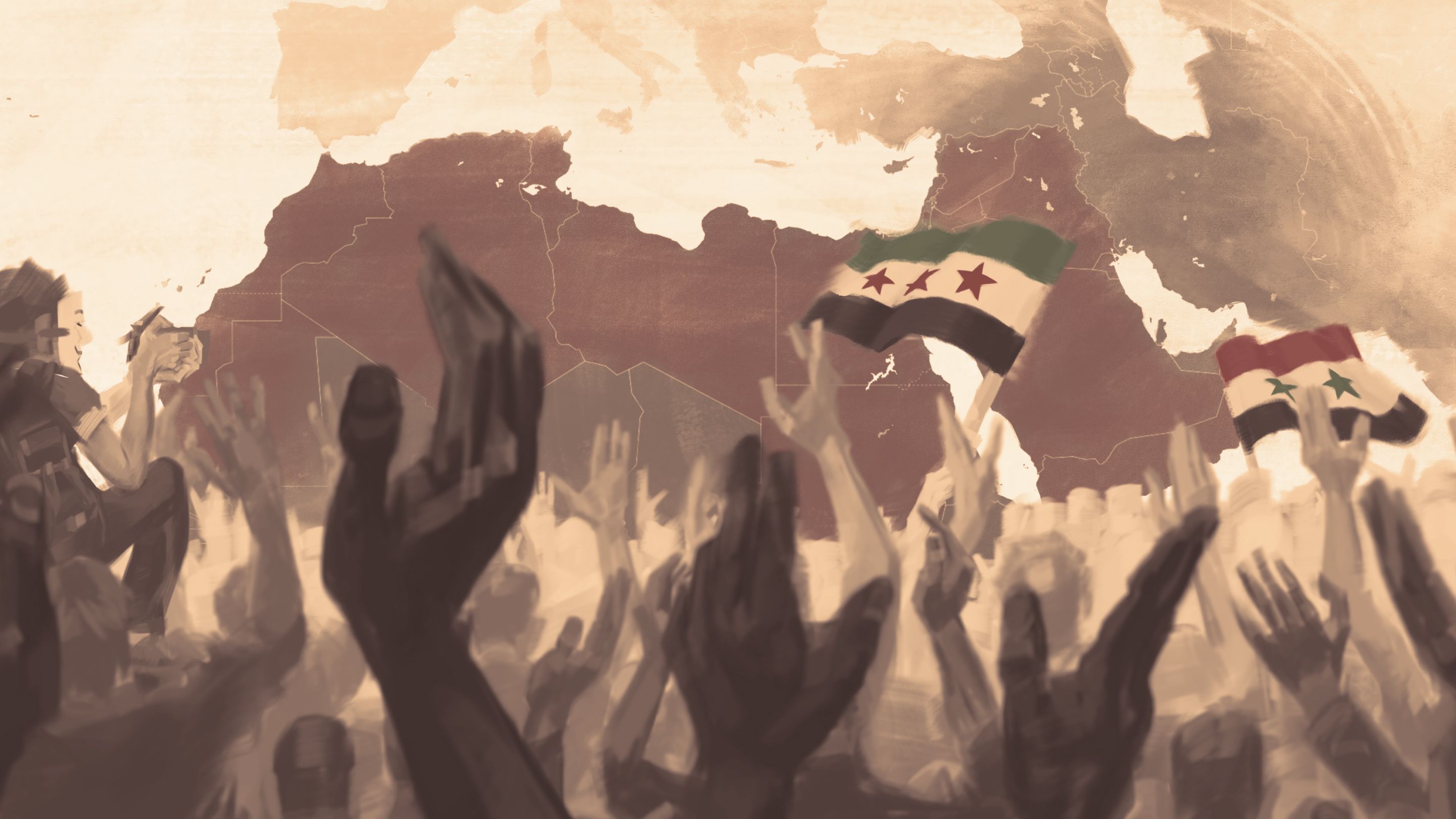
To make each scene feel like a memory, we developed a rough, expressive drawing style reminiscent of traditional paintings. A restrained highlight colour and consistent sepia tone reinforce the idea that these are recollections rooted in the arid landscapes of eastern Syria. Our artist, Alex Bannwarth, hand-drew every frame in Photoshop to ensure the animations felt tactile and human rather than overtly digital.
WebGL allowed us to create smooth, cinematic transitions between scenes, introduce subtle environmental texture, and precisely control how each illustration moved. Motion was carefully tuned to support the narrative rather than distract from it.
This project played a key role in shaping our modern WebGL pipeline for high-performance immersive experiences.
Research and Authenticity
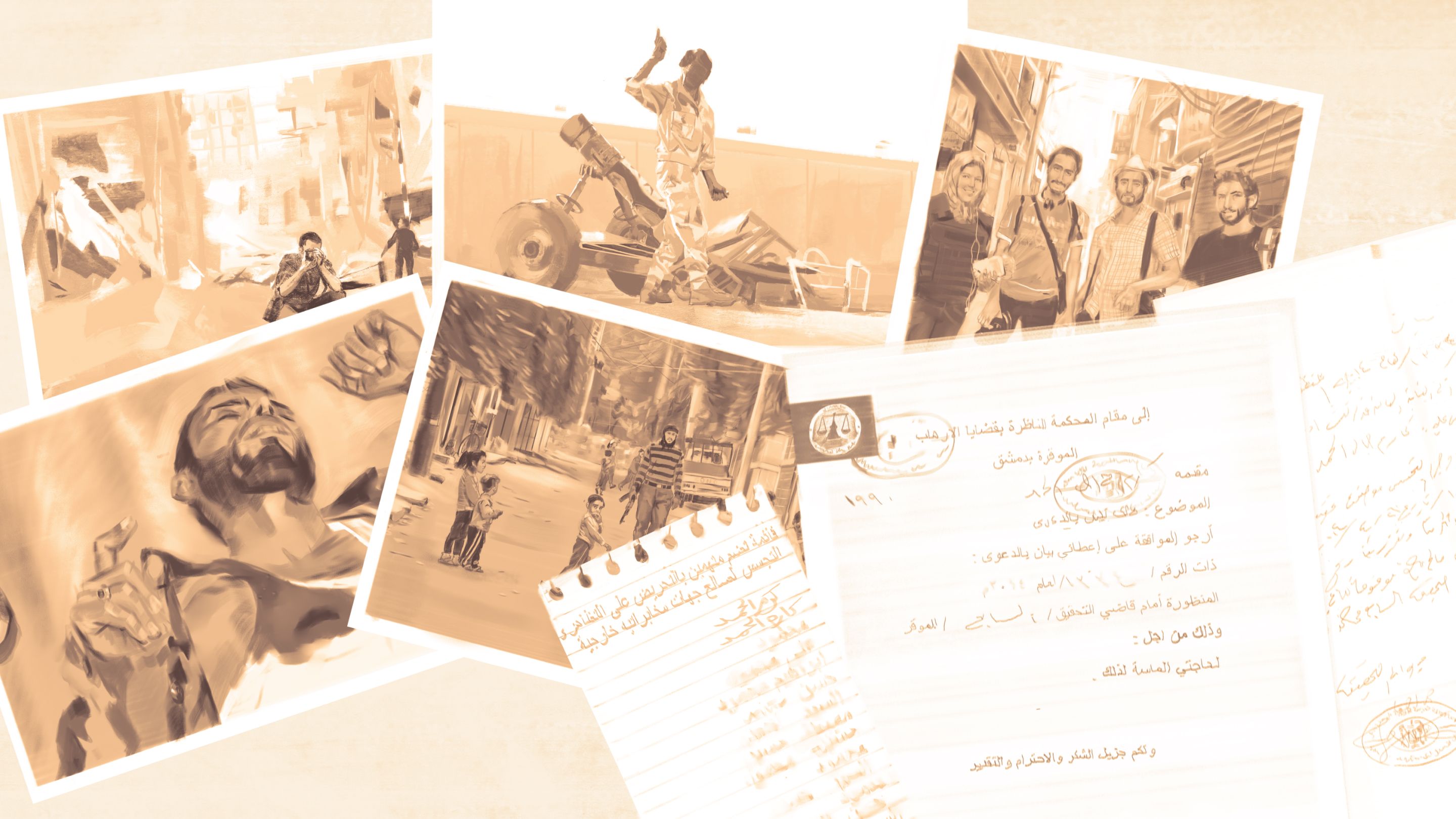
Portraying such an intimate and politically charged story accurately required extensive research. While much of the visual and audio material was based directly on Karam’s own photos, videos, and firsthand accounts, we supplemented this with independent reference gathering to ensure cultural and historical accuracy.
Authenticity was non-negotiable. Every sound used throughout the experience is sourced from Karam’s recordings or other recordings from Syria and the Levant. We also collaborated with a Syrian musician who had firsthand experience of the revolution to compose an original soundtrack that reflects both the emotional tone and cultural context of the story.
Back-End Technologies
Zendetta was built using React and Next.js, with deployment via Vercel. The illustrated scenes and animated sprites were developed in WebGL using Three.js, with motion controlled through react-spring.
We created a custom sprite animation shader that enabled dynamic frame durations and animation lifecycles. This allowed us to optimise memory usage while ensuring motion felt organic rather than mechanical. Post-processing effects such as film grain and bloom were introduced to create cohesion between scenes and enhance the cinematic quality of transitions.
The result is a highly crafted WebGL experience that remains performant while delivering layered visual and motion detail.
Many of our technically complex builds follow similar principles, which you can explore across our portfolio.
Language Integration
To make the story accessible globally, both narration and text are available in seven languages. Each language required bespoke translation and native voice-over recordings rather than direct conversion from a single master script.
To manage this complexity, we built a custom multi-language CMS using Sanity. This allowed Karam and his collaborators to edit and control articles, gallery content, chapter descriptions, reference links, narration files, and even animation timing across all seven languages.
Supporting Arabic introduced additional design and development considerations. As a right-to-left language, it required adjustments to layout, alignment, hierarchy, and interaction design to ensure consistency and clarity across all reading directions.
Touch interactions were designed vertically rather than horizontally, ensuring intuitive use regardless of language orientation.
This kind of structured CMS architecture is central to how we approach large-scale digital systems through our broader Services.
Navigation
We wanted audiences to actively participate in the story rather than passively consume it. Users advance the narrative through deliberate touch interactions, taking on a participatory role in the retelling of events.
The interaction model is simple and consistent, taught once and used throughout. By keeping surrounding interface elements familiar and restrained, focus remains on the illustrations and the narrative itself.
Choosing an interactive format, rather than a linear film or graphic novel, was fundamental to the emotional intent of the project.
The Palestine Branch
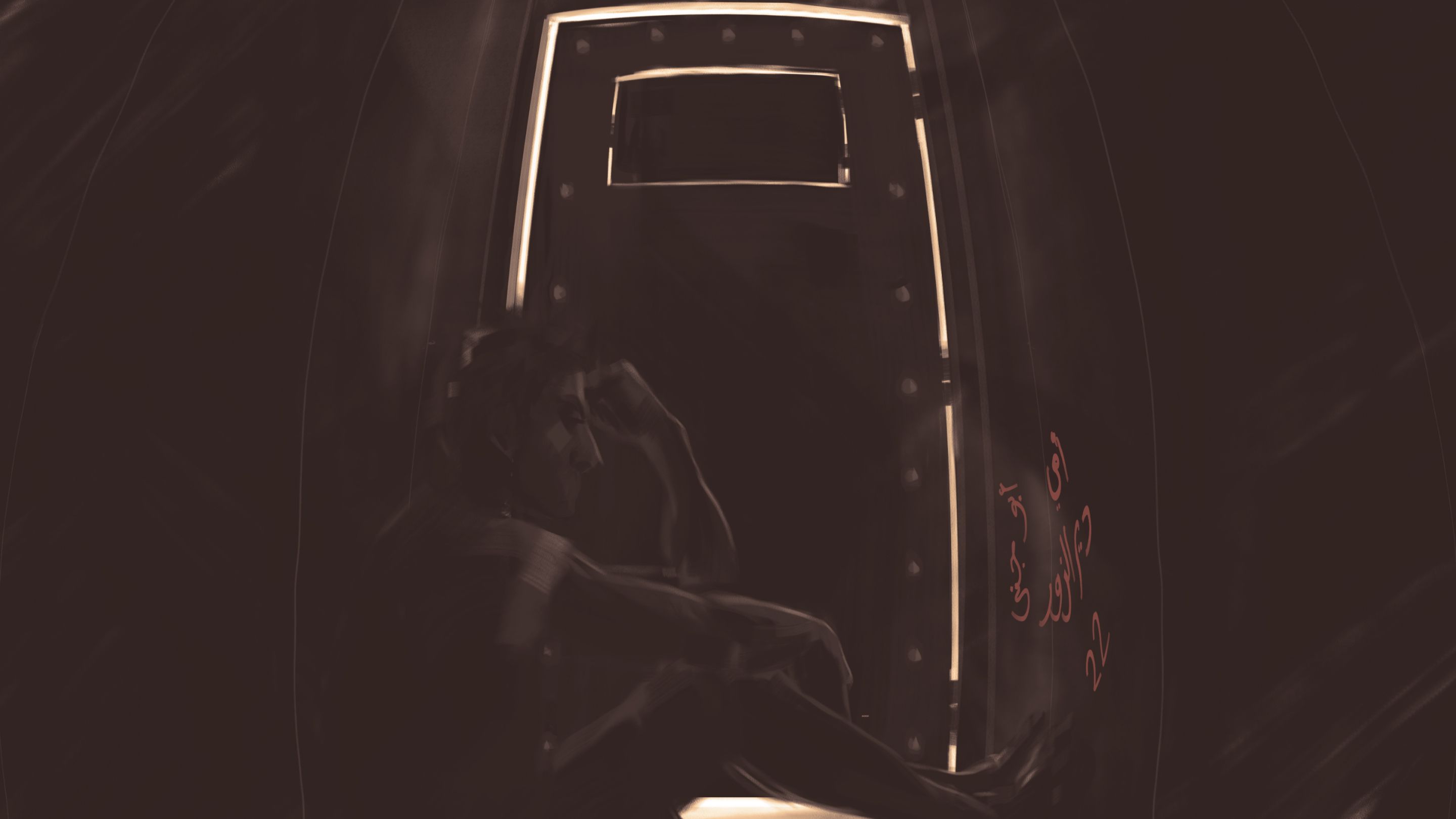
From the moment we first heard Karam’s account of his time in detention, we knew the Palestine Branch chapter would be one of the most critical sections to execute carefully.
Portraying such severe abuse required balance. The scenes needed to convey the magnitude and brutality of the events without becoming exploitative or sensationalised. Achieving this demanded significant research and sensitivity.
In addition to Karam’s detailed description of Cell 16 and the Branch’s torture methods, we studied testimonies from other survivors of Syria’s prison network. We reviewed investigative reconstructions by Amnesty International and Forensic Architecture, and examined the Caesar Photographs documenting mass deaths in Damascus’ prisons.
As illustration, animation, ambient sound, and narration came together, we continuously gathered feedback to ensure the tone remained respectful and truthful. The emotional response to this chapter remains one of the most significant aspects of the project for our team.
Symbolism
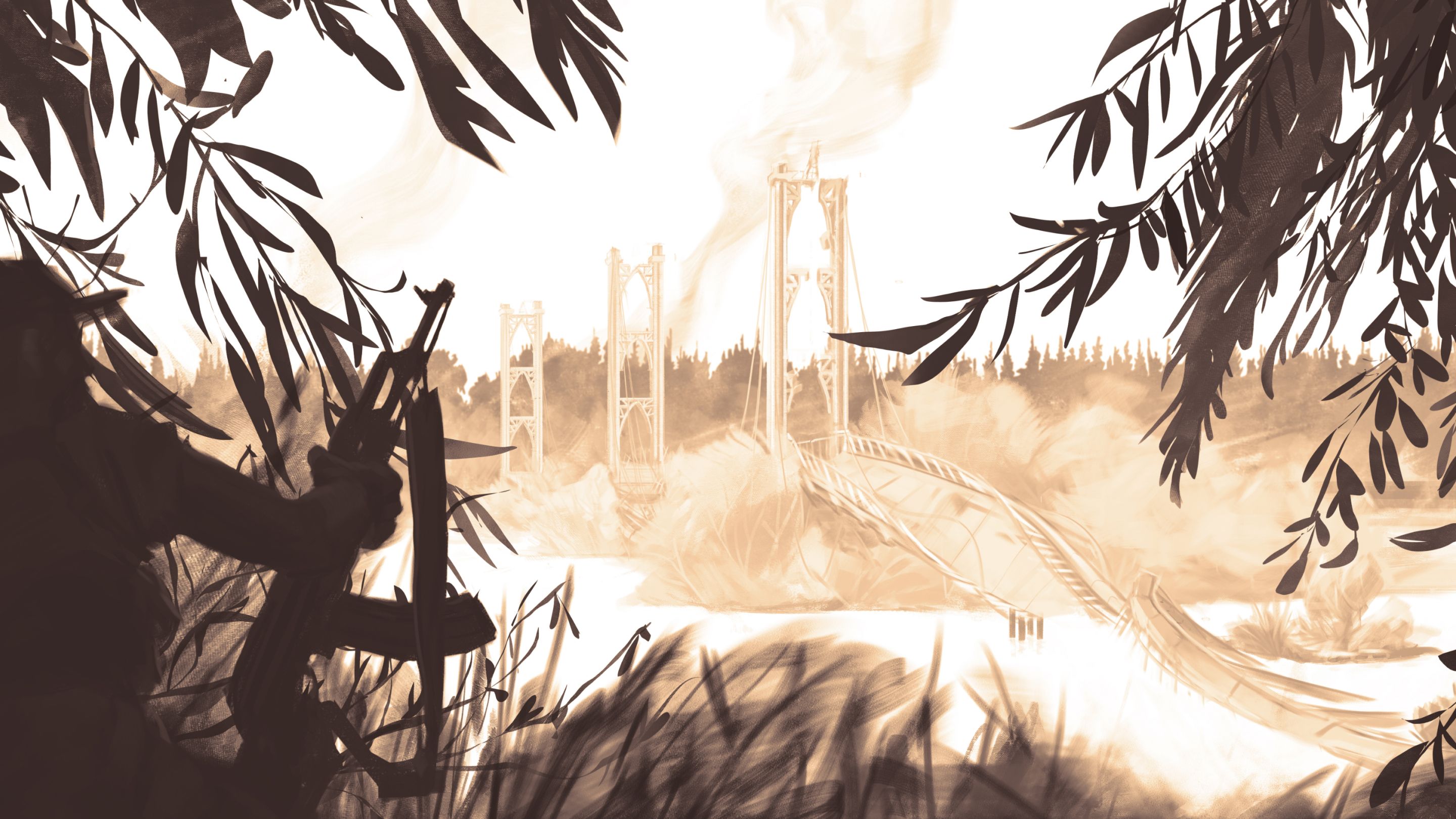
The bridge that appears throughout the story serves as a recurring motif. Bridges, water, and the Euphrates River are themes present in Karam’s own writing and poetry, and became a natural structural element for the experience.
The opening scene shows children diving from the Deir Ezzor bridge, representing innocence and normality before conflict. As the story progresses, the bridge becomes associated with destruction and loss.
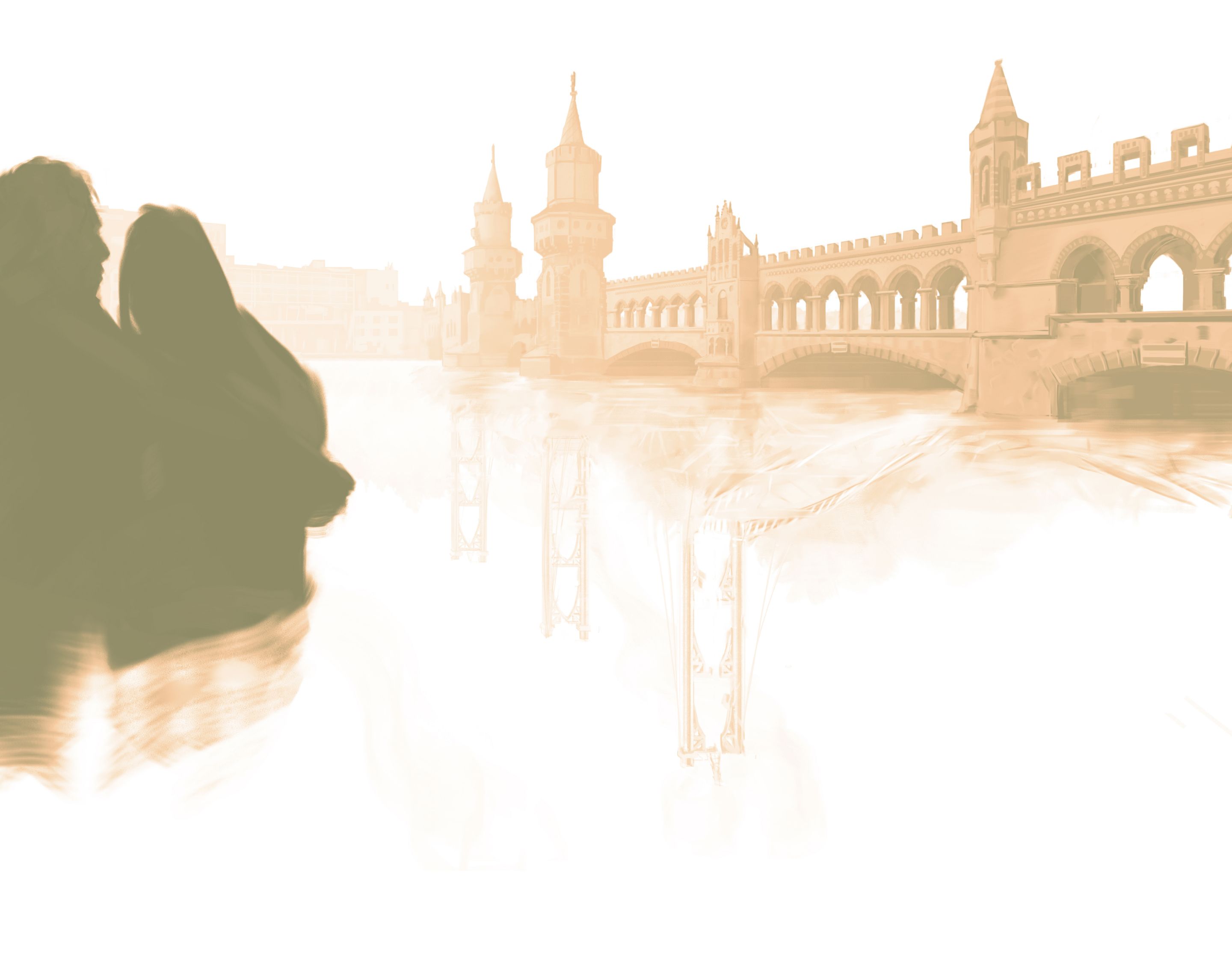
In the final chapter, Berlin’s Oberbaumbrücke, located near where Karam lived after relocating to Germany, is layered with the reflection of the destroyed bridge in the water. The result is a quiet but powerful juxtaposition between survival and ongoing conflict.
The Zendetta Grant
Beyond awareness, the project also launched the Zendetta Grant. Created alongside the website, the grant provides financial support to one hundred Syrians applying to universities worldwide, helping cover university application fees and foreign language tests.
Education remains central to rebuilding and long-term recovery. The grant ensures that Zendetta extends beyond digital storytelling into tangible support for Syria’s future.
Projects like Zendetta demonstrate the level of narrative depth and technical precision we bring to high-impact digital storytelling across our portfolio.
As Syria’s political landscape shifted, we reflected further on the project’s ongoing relevance in Zendetta: Bearing Witness as Syria Enters a New Chapter.