Share:


A digital testimony created before the fall, now viewed through a different lens
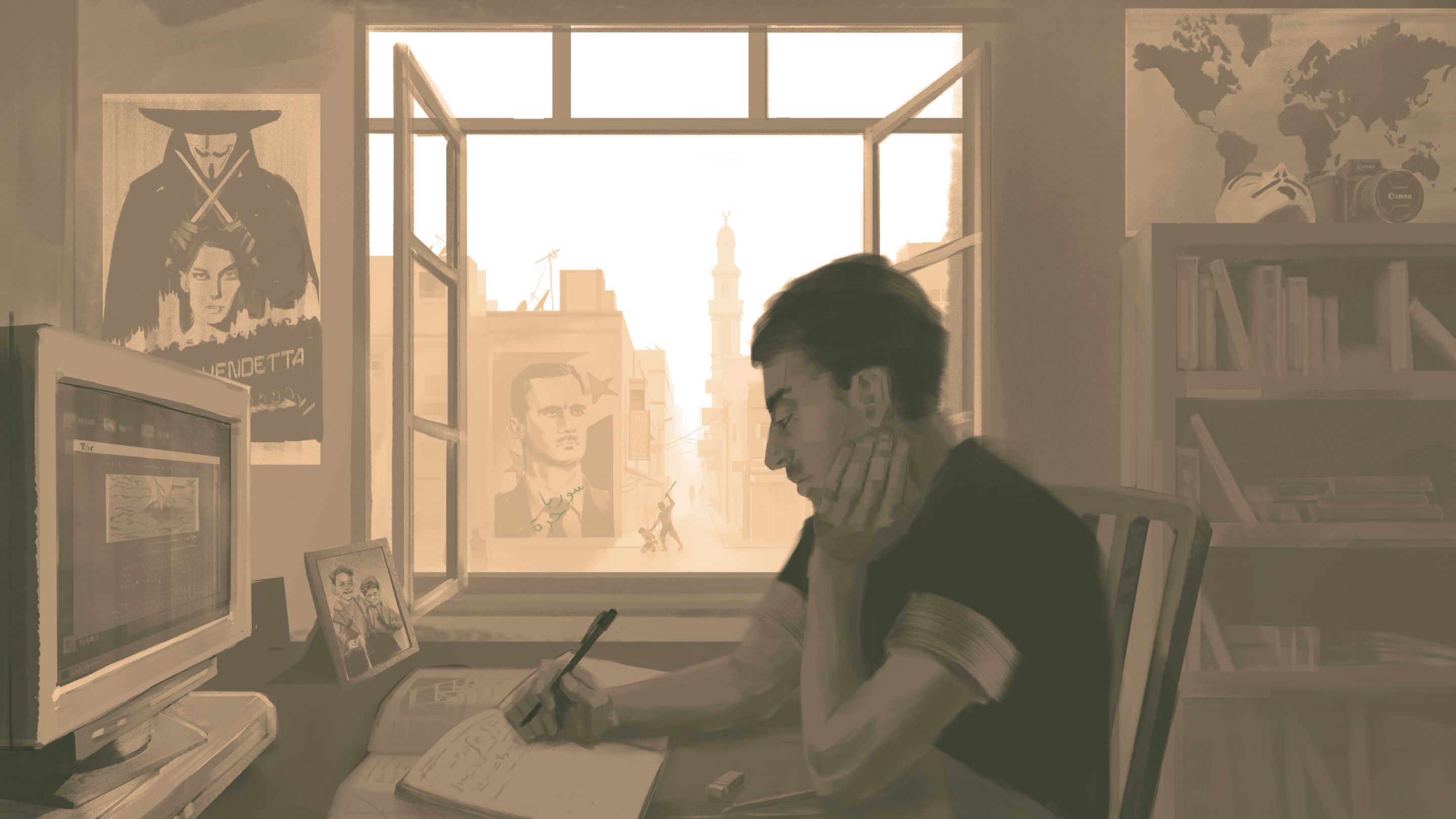
In 2022, we launched Zendetta, an interactive WebGL experience documenting Karam Alhamad’s journey through protest, imprisonment, exile, and advocacy during the Syrian conflict.
At the time, the Assad regime remained firmly in power. Access to detention centres was restricted. Survivor testimony was often dismissed or buried beneath geopolitics and fatigue. The urgency behind the project was simple: preserve one lived experience in a form that could endure.
Today, Syria is entering a new and uncertain chapter following the fall of Bashar al-Assad’s regime. As investigations begin, detention sites are opened, and more survivors come forward, Zendetta feels less like a creative project and more like a record.
Why the Project Mattered Then
Zendetta was never intended to be a summary of the war. It focused on a single life. Karam’s story moves from student protestor to war journalist, political detainee, refugee, and policy advocate. Through that journey, it quietly reflects the experiences of millions.
The decision to tell the story through an interactive digital format was deliberate. Rather than creating a traditional documentary or article, we built an experience that required participation. Viewers move through the narrative themselves. They sit with moments. They advance the story consciously.
The technical and narrative process behind that experience is explored in detail in How Zendetta Was Made.
At a time when global attention was fragmenting, that format allowed space for reflection.
Why It Matters Now
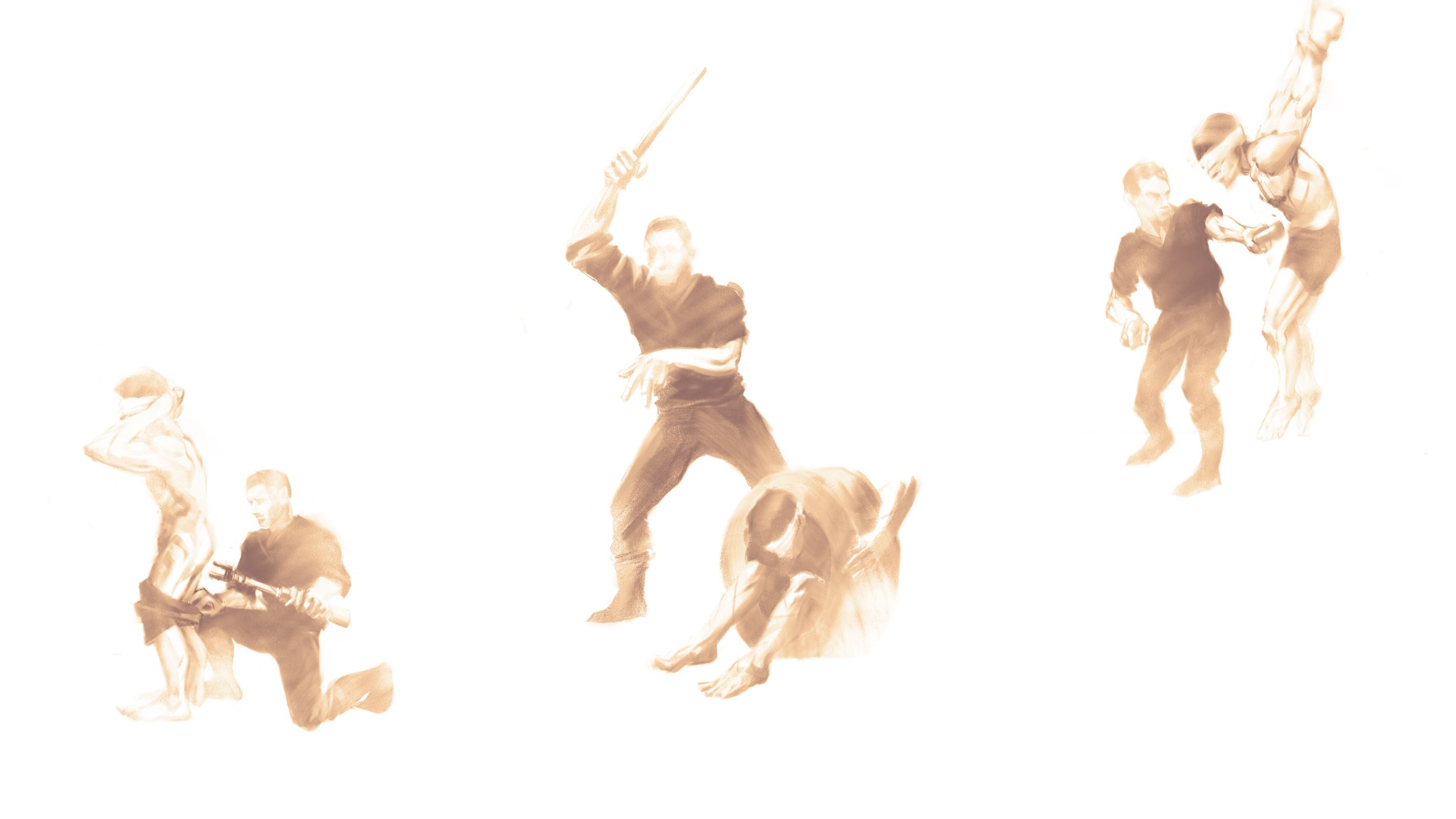
The political transformation in Syria has opened conversations that were once suppressed. Detention facilities similar to the Palestine Branch described in Zendetta are now being documented and examined. Survivors are speaking publicly. Evidence is surfacing.
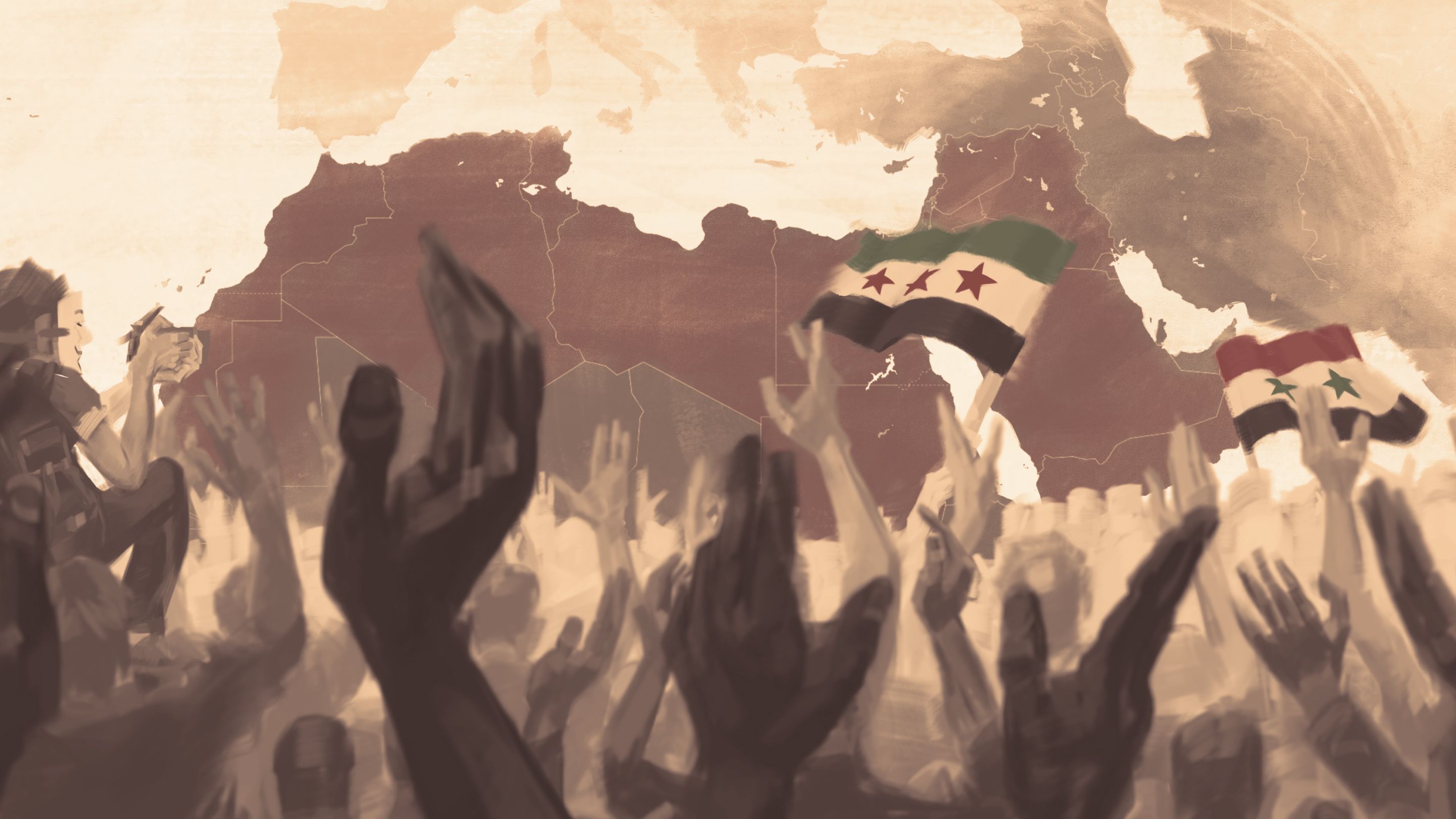
Testimonies like Karam’s are no longer isolated accounts. They form part of a broader reckoning.
Zendetta captured one such testimony before the shift. It preserved details, memory, and context in a format that cannot be easily rewritten or dismissed. As Syria navigates accountability and reconstruction, early documentation becomes increasingly important.
Recognition and Reach
Since its launch, Zendetta has received eleven major international awards and recognitions, making it the most decorated project in Psychoactive’s history.
The project also contributed to our nomination for Awwwards Agency of the Year 2022.
In addition to multiple platform honours, it was ranked #1 Most Visually Striking Award-Winning Website Built with React by Orpetron in 2025, further cementing its standing within the global design and development community.
The project was recognised with:
- Awwwards Developer Award
- Awwwards Site of the Day
- CSS Design Awards Site of the Day
- CSS Design Awards Site of the Month
- CSS Design Awards Website of the Year Nominee
- Muse Creative Awards Platinum Winner (Aesthetic)
- Muse Creative Awards Platinum Winner (Activism)
- W³ Awards Gold for Best Art Direction
- W³ Awards Silver for Activism
- Orpetron Web Design Awards Site of the Day
- Orpetron #1 Most Visually Striking Award-Winning React Website
Beyond industry recognition, hundreds of thousands of people worldwide have experienced Zendetta in one of its seven languages. Each visit represents someone engaging directly with testimony rather than abstraction.
The Responsibility of Digital Work
When we built Zendetta, we could not predict Syria’s political future. What we understood was that digital platforms can serve as durable archives of lived experience.
The project combines hand-drawn illustration, WebGL motion, authentic field recordings, and bespoke narration in seven languages. But the technical achievement was never the point. The aim was preservation.
Zendetta also helped shape our broader approach to immersive storytelling through modern WebGL experiences for the web.
As Syria begins the difficult work of rebuilding institutions and confronting the past, memory becomes infrastructure. Stories become evidence. Testimony becomes part of the historical record.
Digital experiences, when treated seriously, can contribute to that record.
Education and the Future
Zendetta also launched the Zendetta Grant, supporting one hundred Syrian applicants with university application fees and language testing costs.
In periods of political transition, education becomes foundational. It enables participation in rebuilding, governance, journalism, and cultural life. The grant remains a small but tangible extension of the project’s core belief: that memory and opportunity must exist together.
Looking Ahead
Syria’s future remains uncertain. Transition does not erase trauma, nor does it immediately deliver justice. But it creates space for truth to surface.
Zendetta was built to hold one story with care and permanence. In this new chapter, that permanence matters.
The work now sits not only as an award-winning digital experience, but as part of a longer historical arc, one that continues to unfold.
You can explore more narrative-led digital work across our portfolio or start a conversation via our Contact page.