Share:


How Our Approach to 3D Experiences Has Evolved
Immersive digital experiences have always been an important part of Psychoactive’s work. They allow brands, events, and organisations to create moments that feel emotional, spatial, and alive in the browser. Over the years we have explored a range of 3D tools to bring these ideas to life and have learned a great deal along the way.
Unity played a key role in our early exploration. It helped us move quickly, prototype ambitious ideas, and build high fidelity scenes under tight deadlines. As the web matured and client needs shifted, our approach evolved toward lighter, more flexible WebGL technologies that perform better on real devices and support large, frequently updated environments.
This article outlines that evolution, why we moved beyond Unity for browser based work, and how our modern WebGL pipeline supports immersive experiences at enterprise scale.
Unity as a Bridge Into Immersive Web
Unity allowed us to enter real time 3D on the web at a time when other pipelines were still emerging. Its scene development tools and predictable workflows helped us deliver high quality environments quickly.
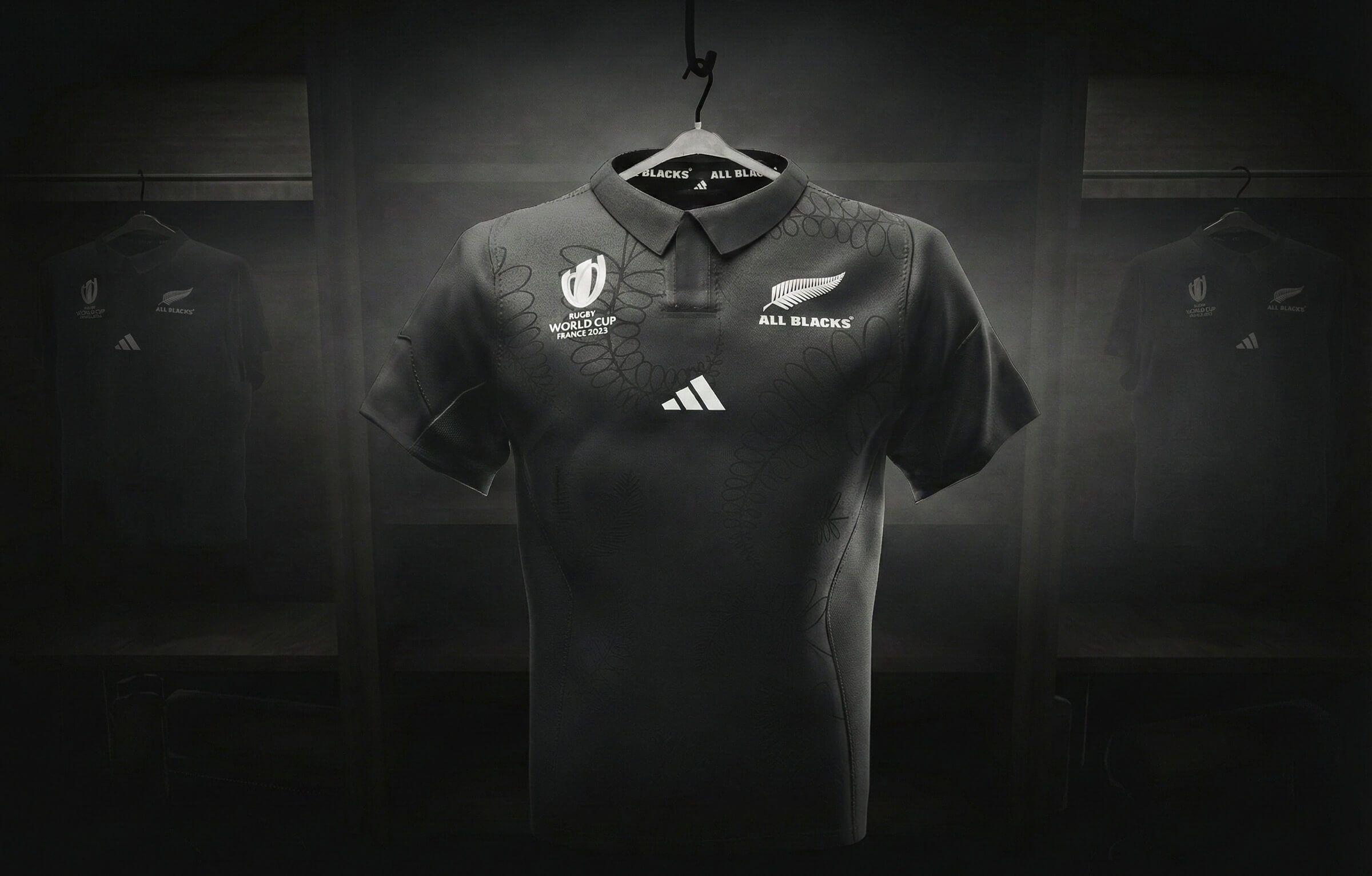
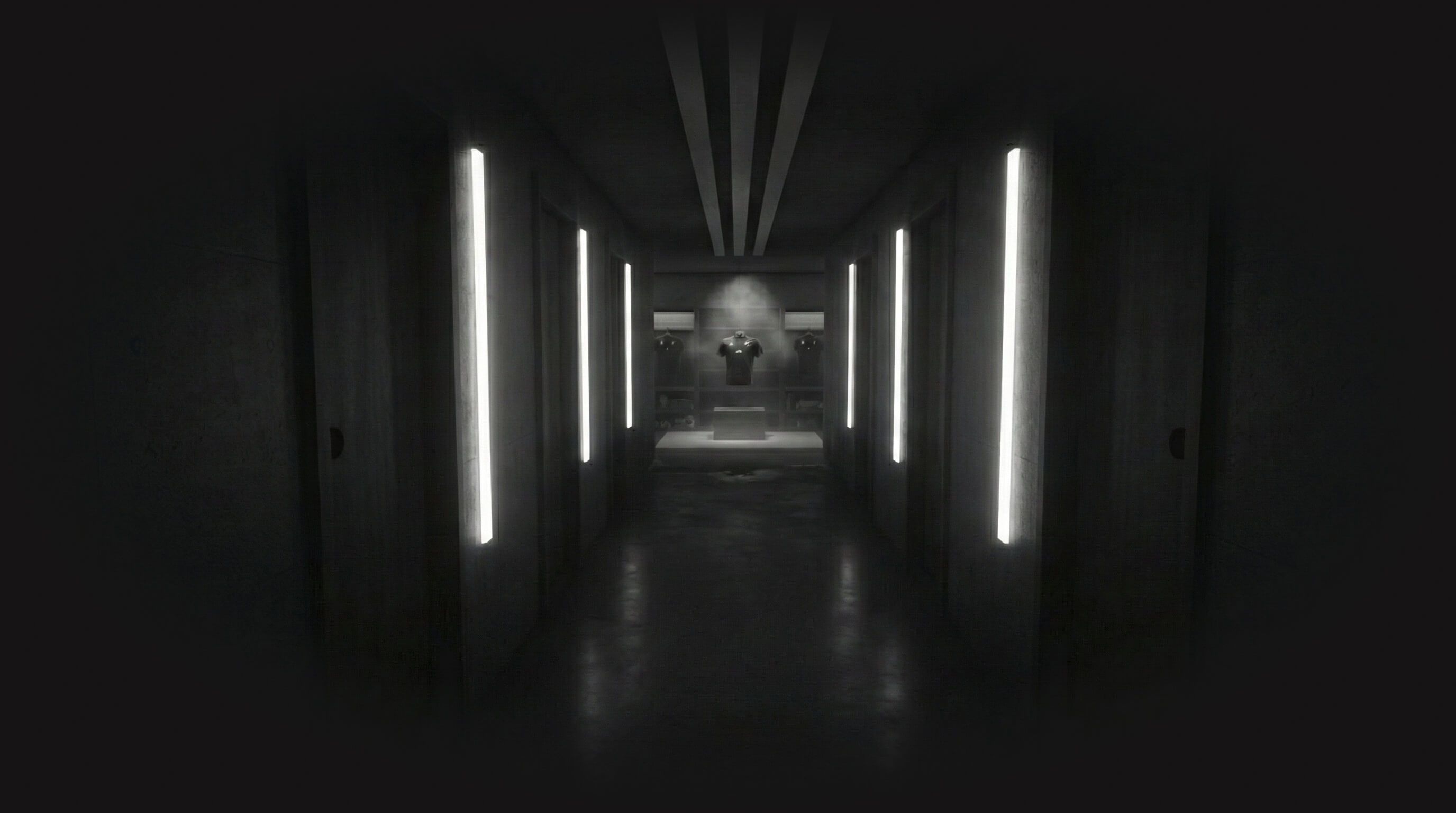
A key example was our All Blacks and Adidas Rugby World Cup 2023 WebGL experience. We were tasked with recreating the emotional arc of a physical tunnel installation, leading users toward a final 3D jersey reveal. Using Unity WebGL, we were able to:
- Build detailed 3D environments rapidly
- Script lighting and atmospheric transitions
- Integrate a high detail interactive jersey model
- Combine 3D storytelling with a React driven UI
- Deliver a secure, embargoed launch within a five week window
We remain extremely proud of the All Blacks project. It also showed us Unity's limitations for large public audiences. I remember testing an early Unity build on a mid range Android device and immediately seeing how heavy it felt. That moment was a turning point. We needed a better approach for long term, mobile friendly, browser based experiences.
Why We Evolved Beyond Unity
Unity remains a world class engine for games, VR, simulation, and native applications, but its constraints become more visible when it is used for browser based brand experiences. Unity builds are heavy, which increases the time required before a user can interact with the experience. The runtime also places greater demand on memory and processing, which affects performance on the wide range of devices used globally.
Simple updates require full rebuilds and redeployments, which limits how responsive a project can be during development. Most importantly, much of Unity’s power is unnecessary for the types of web based immersive experiences we specialise in. These challenges became especially clear during the discovery phase for a recent interactive 3D floorplan project, where the client needed fast loading, smooth mobile performance, and frequent layout adjustments. A native WebGL approach offered all the flexibility required, without the overhead.
This same performance-first thinking underpins our broader technical philosophy, including when to choose WebGL, AI, or Webflow depending on the project context.
When Immersive 3D Makes Sense
3D should be used purposefully. We recommend immersive experiences when spatial storytelling enhances the narrative or when users need to explore a product, environment, or object in more detail than static imagery allows. It is also suited to moments where emotional impact matters, such as major product reveals or physical event extensions. In many cases a carefully designed interactive environment can also support comprehension by showing rather than telling. Understanding the purpose behind the immersion helps ensure that 3D elevates the user experience instead of complicating it.
Our Modern WebGL Pipeline
Today, Psychoactive uses a purpose built WebGL pipeline designed around performance, maintainability, and creative freedom. This includes Three.js for rendering, Verge3D for Blender based scene workflows, GLTF and GLB for efficient model management, and React for the surrounding interface layers. Importantly, much of the scene logic is data driven. Layouts, labels, hotspot positions, and animations can be controlled through JSON files, allowing rapid updates without touching the core environment. Every stage of the pipeline is designed with mobile devices in mind, ensuring the experience performs well across global audiences.
Why This Approach Works Better for Clients
A lighter WebGL stack creates a noticeably smoother user experience. Pages load faster, interactions begin sooner, and the experience performs more reliably across devices. Clients also gain significantly more flexibility during production because updates can be made without rebuilding an entire engine based environment. This was particularly valuable for the interactive floorplan prototype, where layouts changed frequently and needed to be reflected instantly.
The modern pipeline also gives us complete control over transitions, shaders, lighting, and animation behaviour, allowing us to shape the experience specifically for the web rather than working within the constraints of a larger engine. It is more sustainable too. Assets created for one environment can be reused across event kiosks, large displays, mobile experiences, and future digital platforms with minimal adaptation. Finally, this approach integrates cleanly into Webflow, React websites, and enterprise CMS environments that sit within our broader Services offering.
Learning From the All Blacks Project
The All Blacks WebGL experience remains an important milestone for our team. It taught us how powerful digital spatial storytelling can be, especially when combined with thoughtful sound design, lighting control, and narrative pacing. It also taught us the importance of balancing visual ambition with performance. If we were to build that project today, we would achieve the same cinematic quality using a significantly lighter technical stack. Loading would be faster, device performance would improve, and ongoing updates would be easier to manage. Unity enabled us to meet a specific timeline and set of constraints. Our evolved pipeline simply produces a cleaner, more accessible result for modern browsers.
Building Confidence and Reducing Risk for Clients
Clients exploring immersive work often want clarity around performance, maintainability, integration, and realistic timelines. Our current pipeline was shaped directly around these needs. It allows us to plan more accurately, work more iteratively, and reduce technical risk. We also invest heavily in communication and validation during production. Immersive 3D requires collaboration between design, development, and 3D teams, and we structure our process accordingly so clients always know what to expect. Many of these projects sit alongside broader brand platforms, which you can explore across our portfolio.
A Sustainable Long Term Approach
Beyond individual projects, our pipeline supports a more strategic view of immersive content. Assets can be reused across multiple channels, including touchscreen kiosks, large format displays, and mobile handover experiences via QR code. Scenes can evolve over time to support new events or product ranges. In many cases a single 3D ecosystem can become an ongoing asset that expands as the brand grows. This long term value is one of the strongest reasons to choose a native WebGL approach over heavier engine based solutions.
Choosing the Right Tool for the Job
Unity remains the correct choice for projects that require advanced physics, complex animation logic, or native deployment. For browser based brand experiences, native WebGL offers superior performance, easier maintenance, and greater long term flexibility. The key is understanding the strengths of each tool and choosing the one that aligns with both the creative goals and the practical realities of the web.
Conclusion
Our early work with Unity was foundational. It gave us a strong technical grounding in immersive digital experiences and demonstrated how far we could push 3D inside the browser. As the web evolved and our projects grew in scale, we moved toward a lighter, more flexible pipeline that supports the needs of both users and clients. Today we focus on creating immersive environments that are intuitive, expressive, and accessible without compromising performance. Every project continues to refine our approach, and we are always exploring ways to push the boundaries of what is possible on the web.
If you are considering an immersive 3D experience and want clarity around what is achievable, we are always happy to share insights and help shape the right approach.
Unity is still the right tool for certain projects, including VR, simulation, or heavy 3D logic. For browser based brand experiences, native WebGL is usually a more efficient and maintainable choice.