Share:


A Specialist Web Design Agency for Game Studios and Publishers
At Psychoactive Studios, we design and develop high-performance gaming websites for studios, publishers, and live gaming events. Using Webflow and modern WebGL pipelines, we transform game IP into immersive digital experiences that build anticipation, drive wishlists, and support global launches.
What began as a small New Zealand agency working with local indie studios has evolved into an internationally recognised Webflow Enterprise Partner delivering complex, scalable platforms for the global games industry. Today, we partner with publishers, IP holders, and entertainment brands that require technically ambitious websites capable of reflecting the depth and distinctiveness of their worlds.
If you are searching for a web design agency for game companies, this is the space we operate in.
Crafting Digital Worlds for Game Studios and Publishers
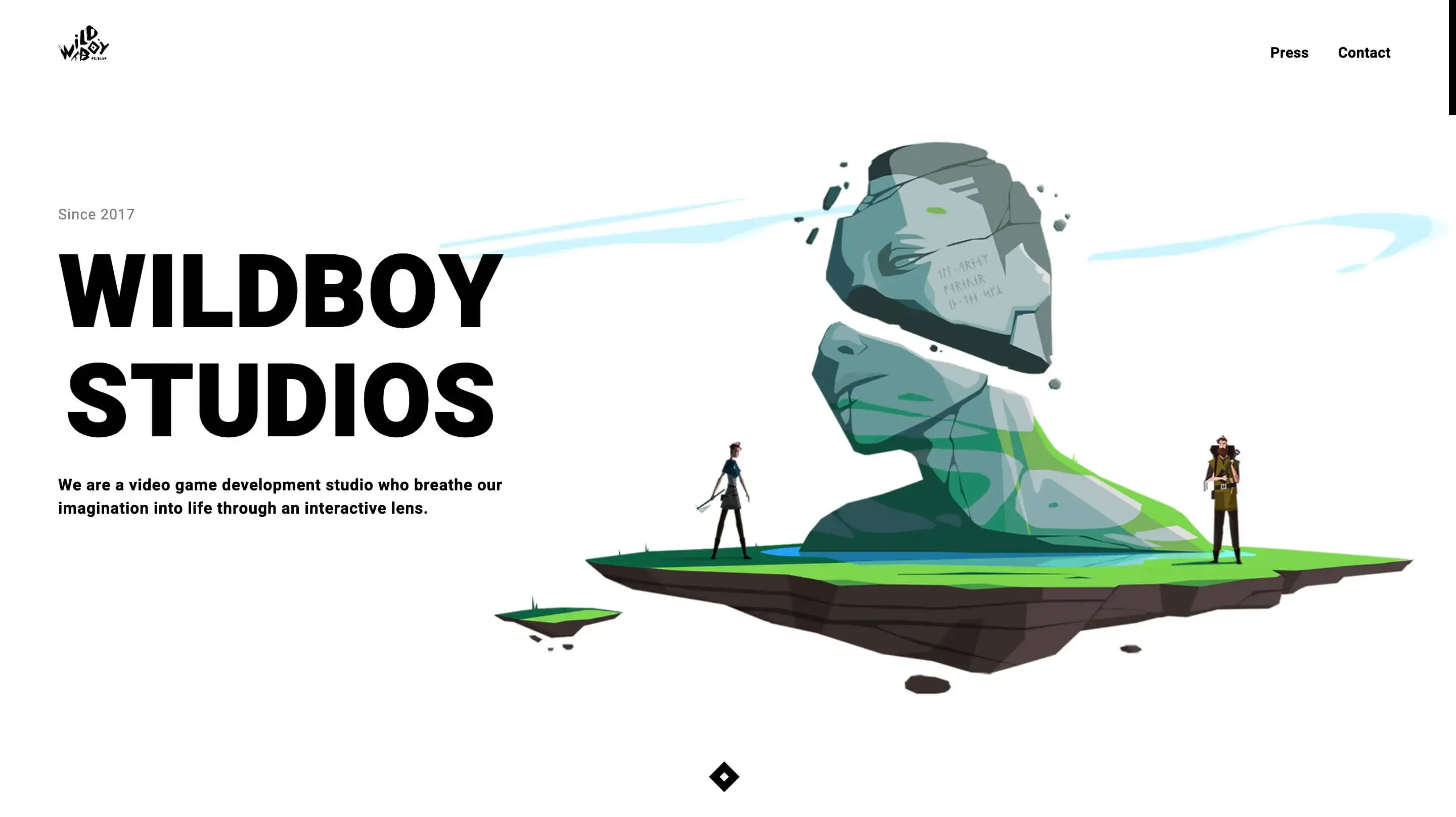
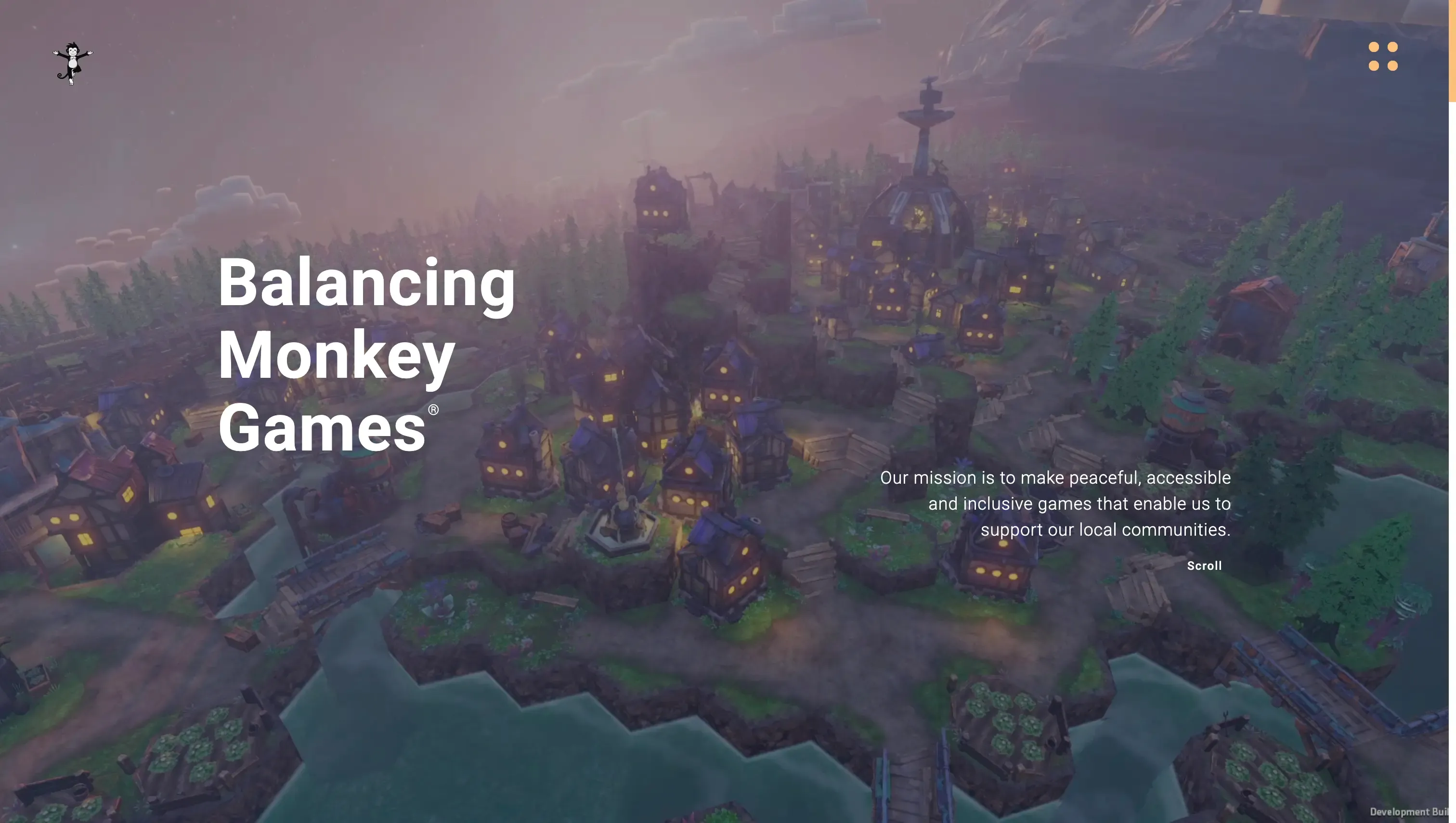
Our early collaborations with Wildboy Studios and Balancing Monkey Games shaped our understanding of what game studios truly need from a website. It is rarely just about marketing. A strong gaming website must carry narrative weight, reflect art direction with precision, scale under traffic spikes, and evolve as the IP expands. From the beginning, we approached each project as an extension of the game world rather than a standalone promotional asset.
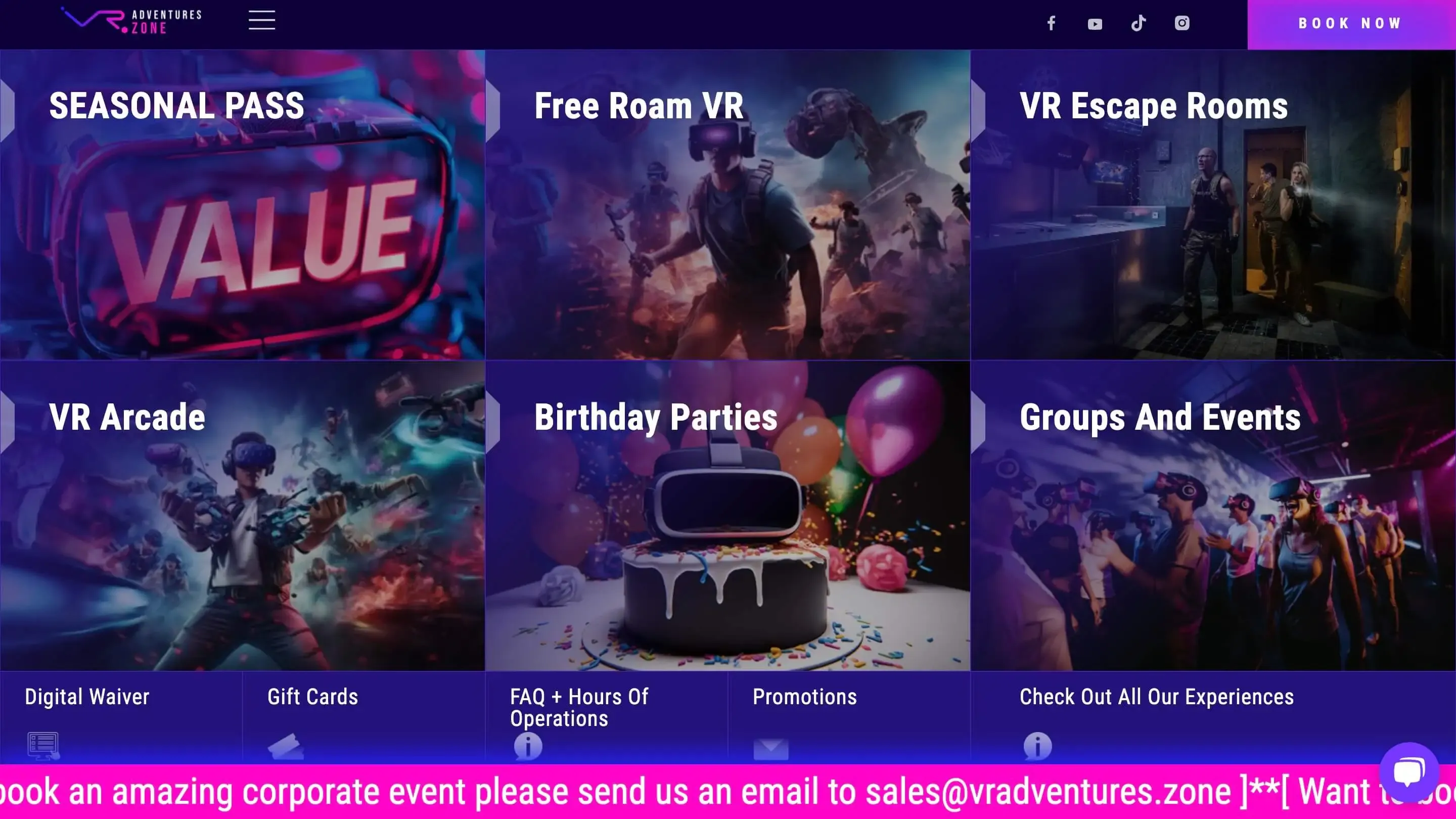
Our first major international gaming project with VR Adventure Zone in Canada expanded both our creative and technical ambition. The brief extended beyond building a functional site. The experience needed to mirror the energy and immersion of their VR titles. We leaned into layered animation, dynamic transitions, and interactive storytelling to create something that felt closer to a digital portal than a conventional brochure. That project marked a shift in how we thought about gaming websites. They should feel lived in.
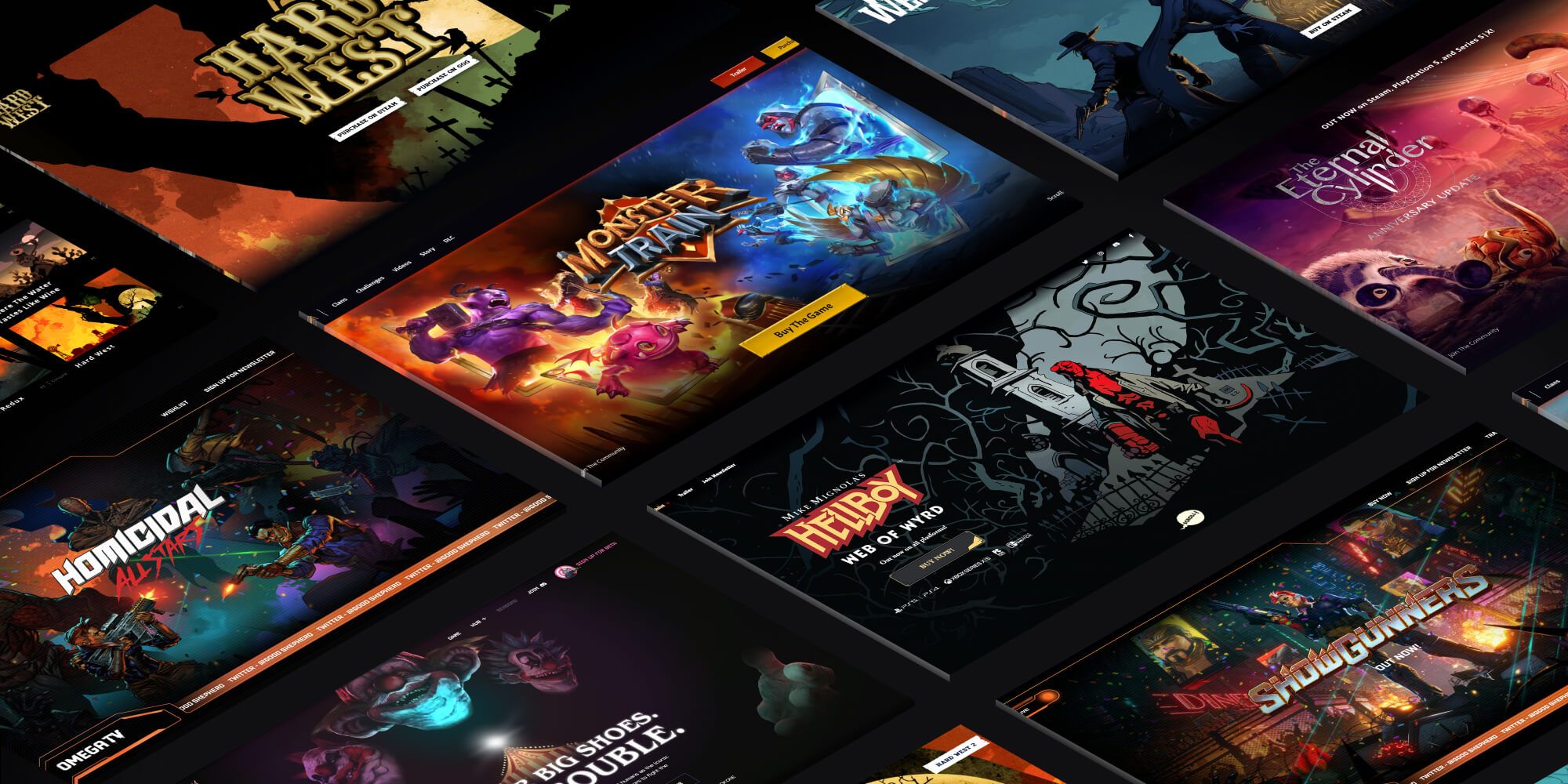
A defining chapter in our gaming portfolio was our partnership with Good Shepherd Entertainment (GSE). Through this collaboration, we delivered websites for titles including Monster Train, Hard West 1 & 2, Killer Klowns from Outer Space: The Game, Showgunners, Eternal Cylinder and Hellboy Web of Wyrd.
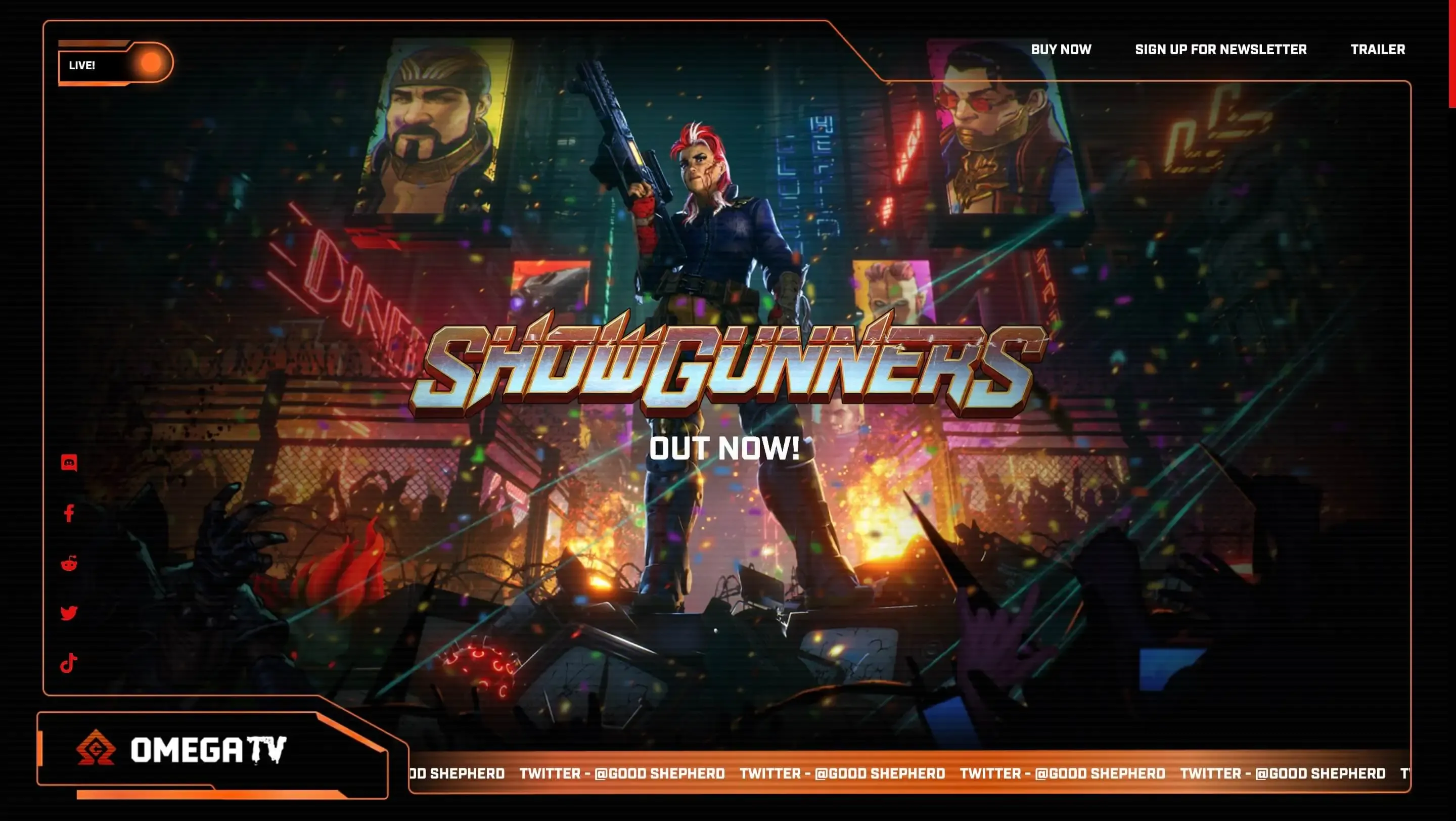
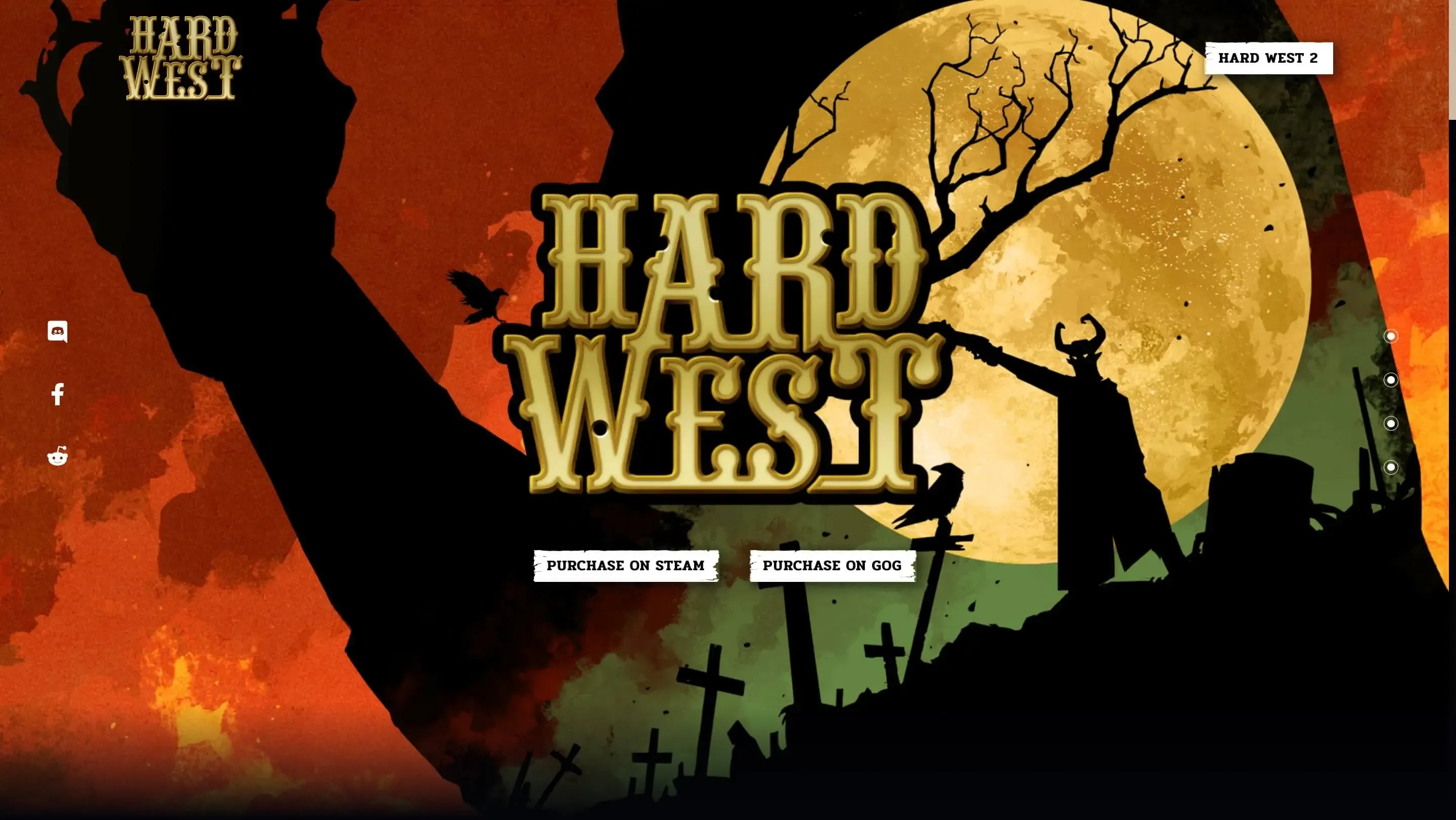
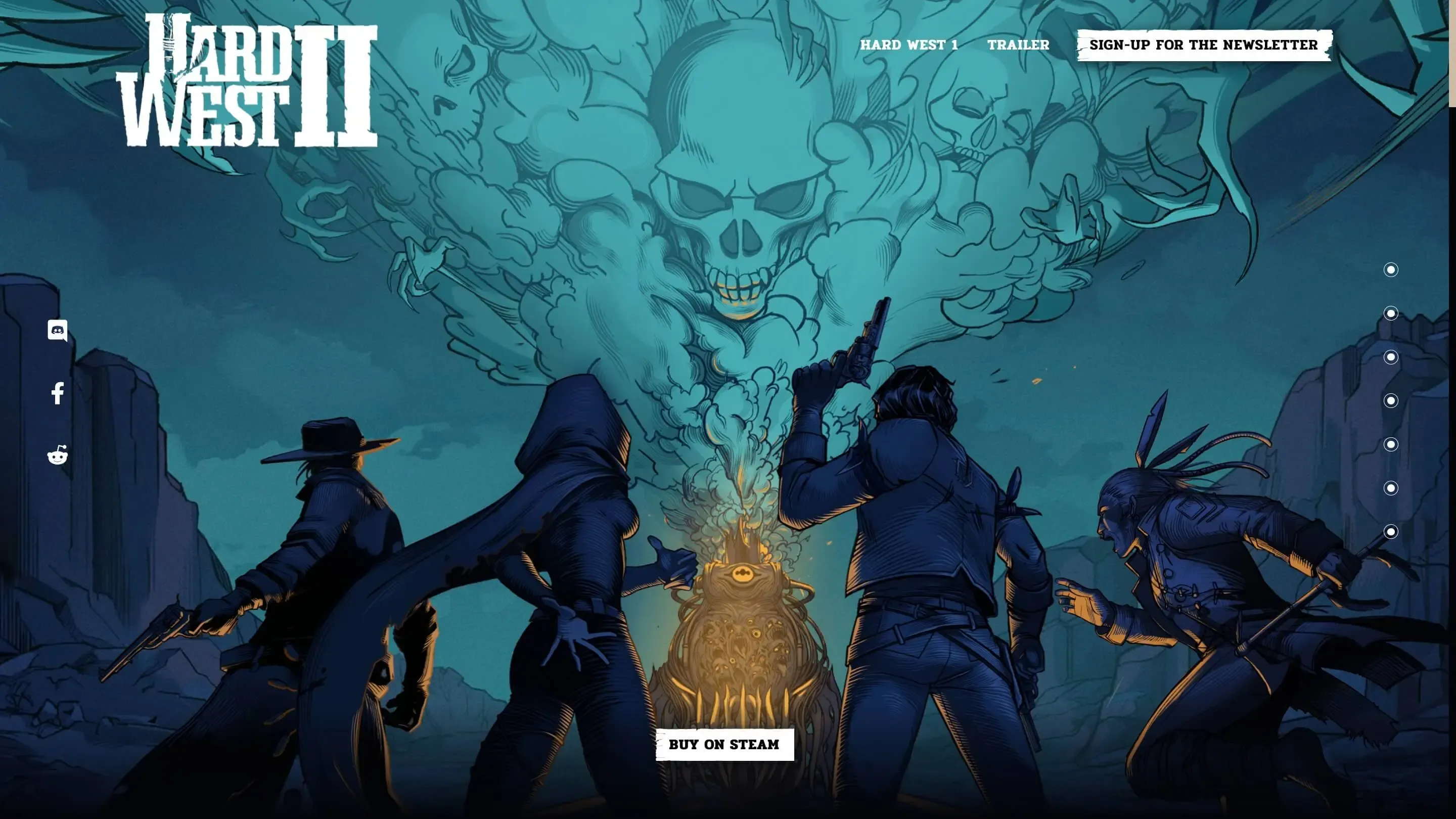
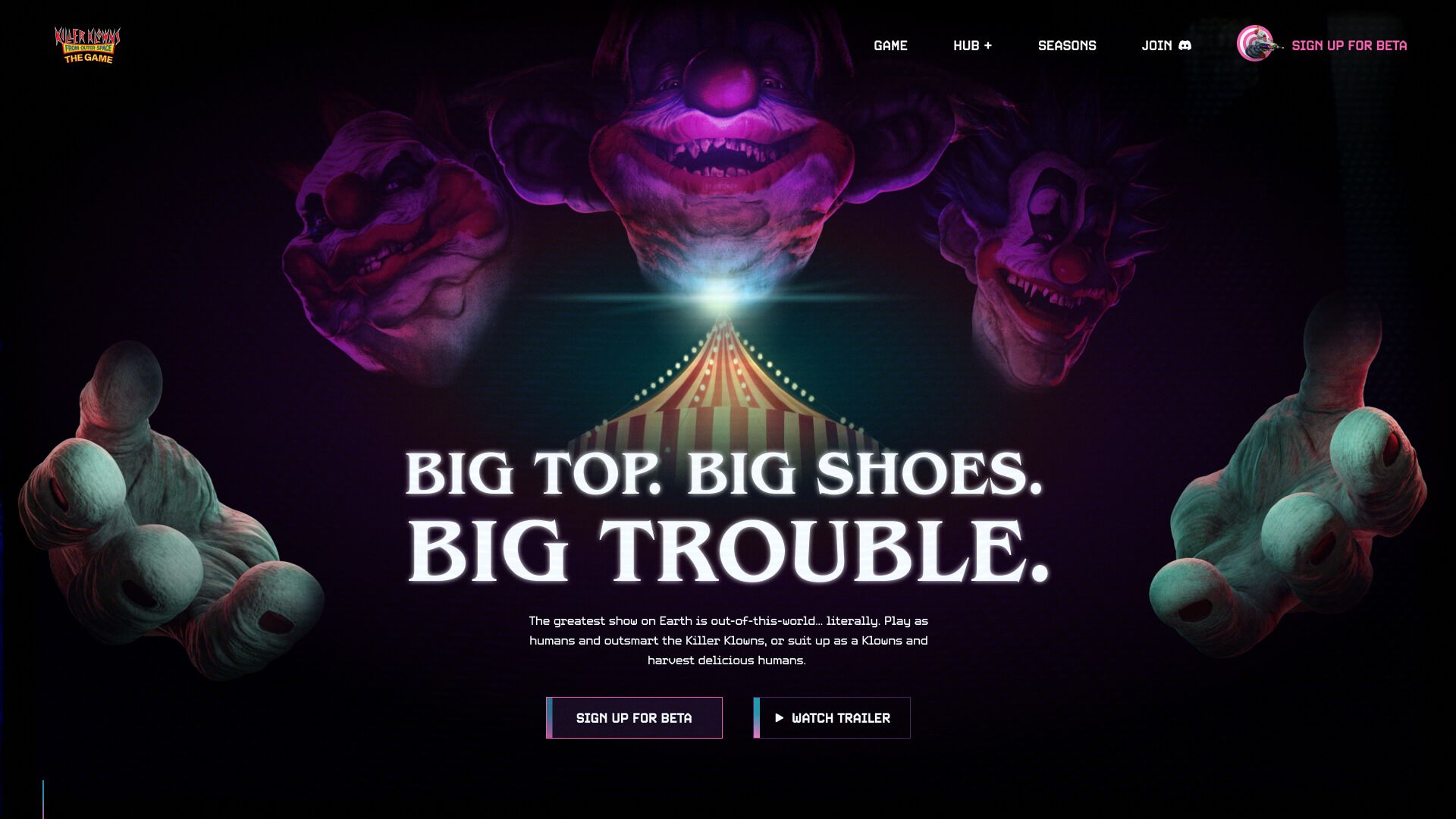
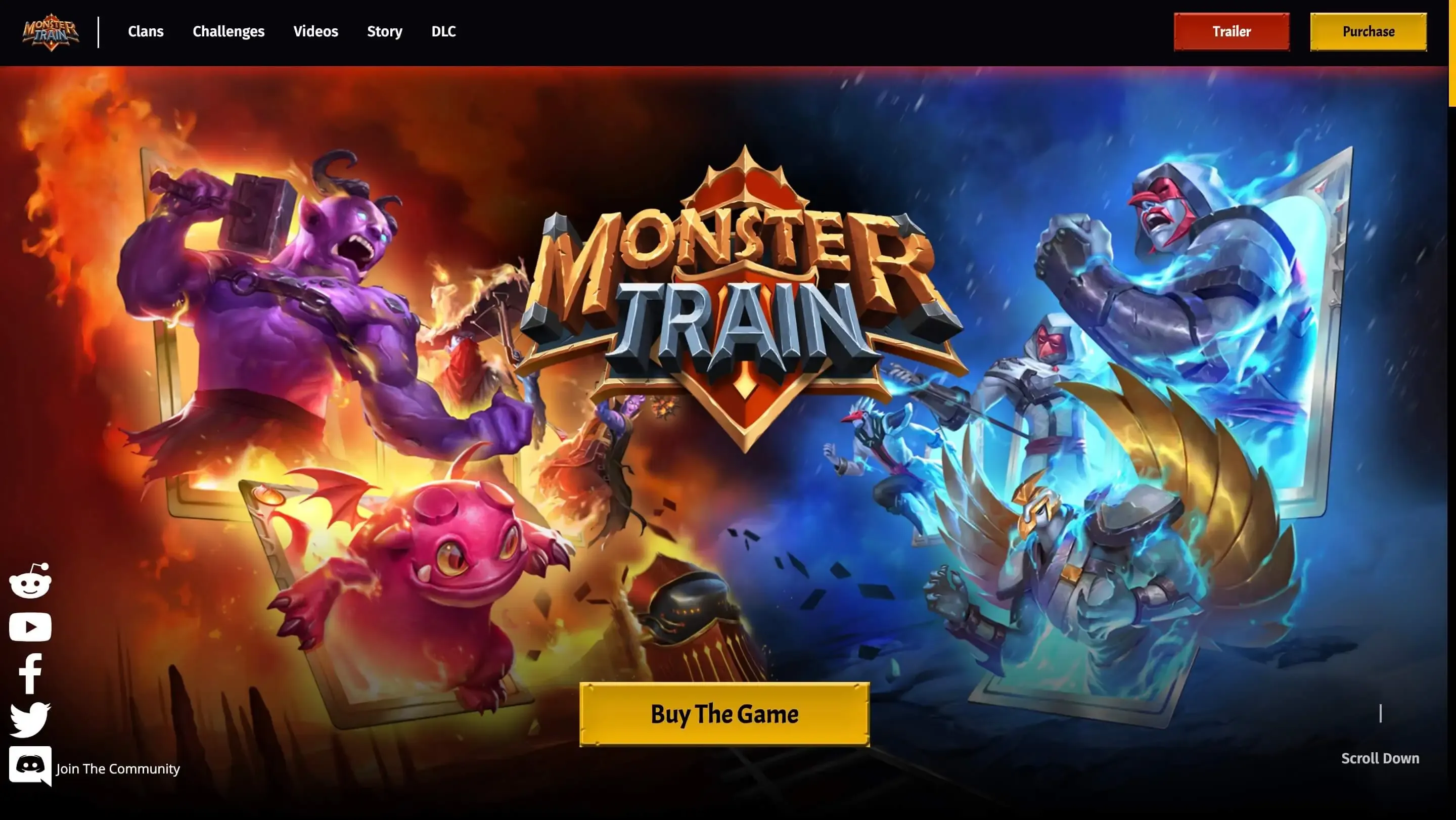
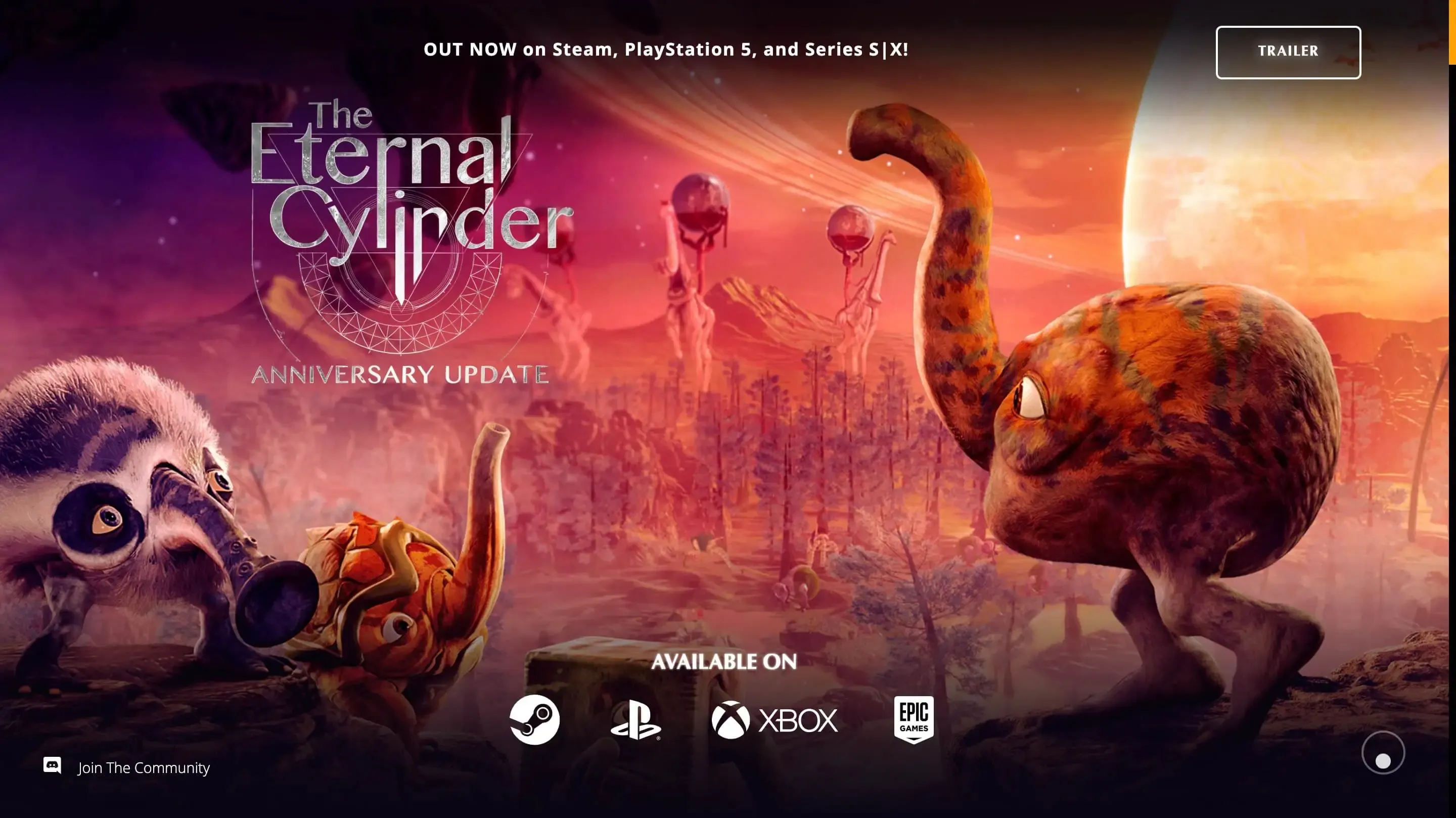
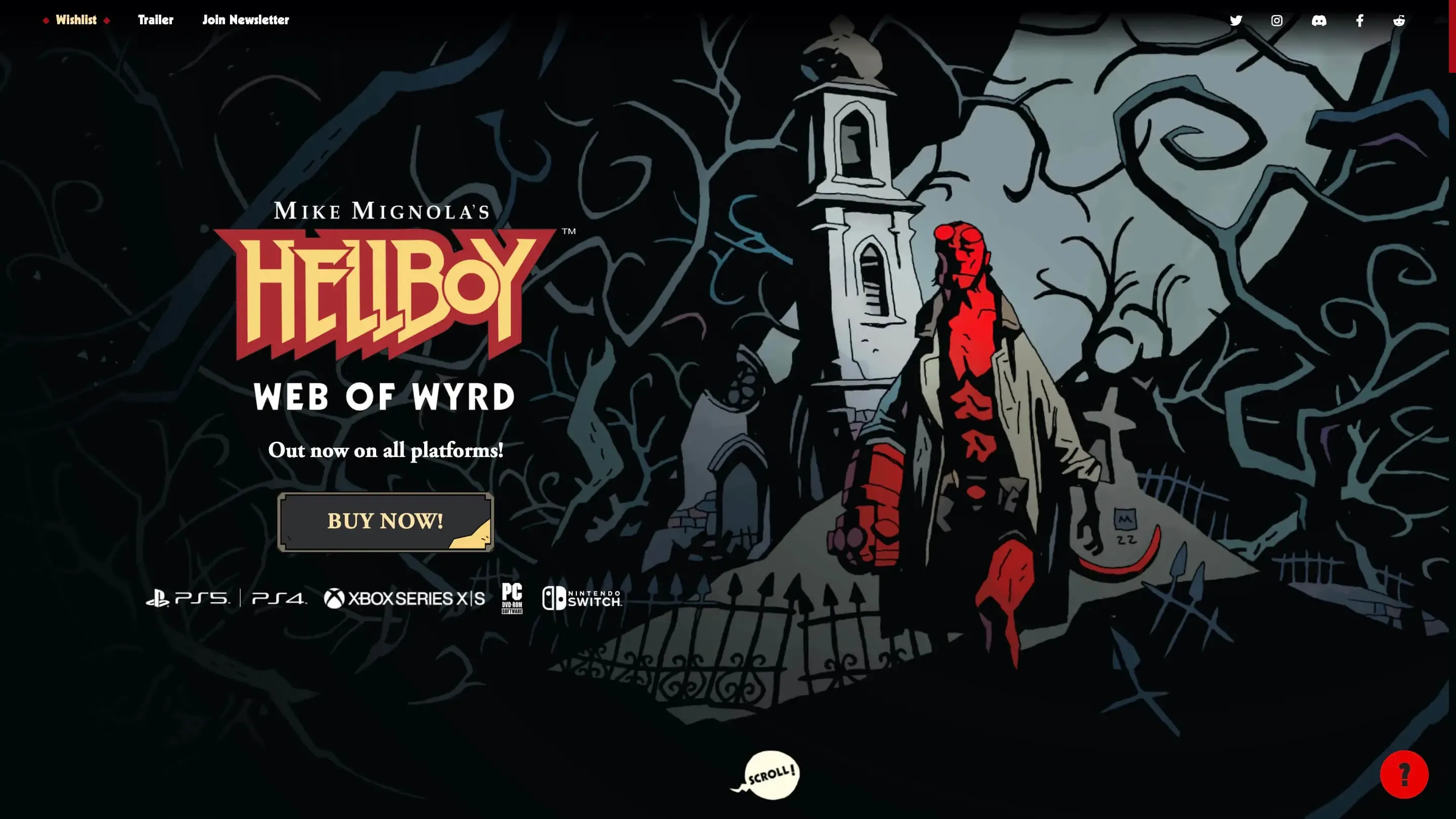
The Hellboy project involved collaboration with Dark Horse Comics and Mike Mignola. Translating such a distinctive comic-book aesthetic into a performant, accessible web experience required careful technical execution. The design needed to honour the integrity of the IP while maintaining load speed, responsiveness, and SEO structure.
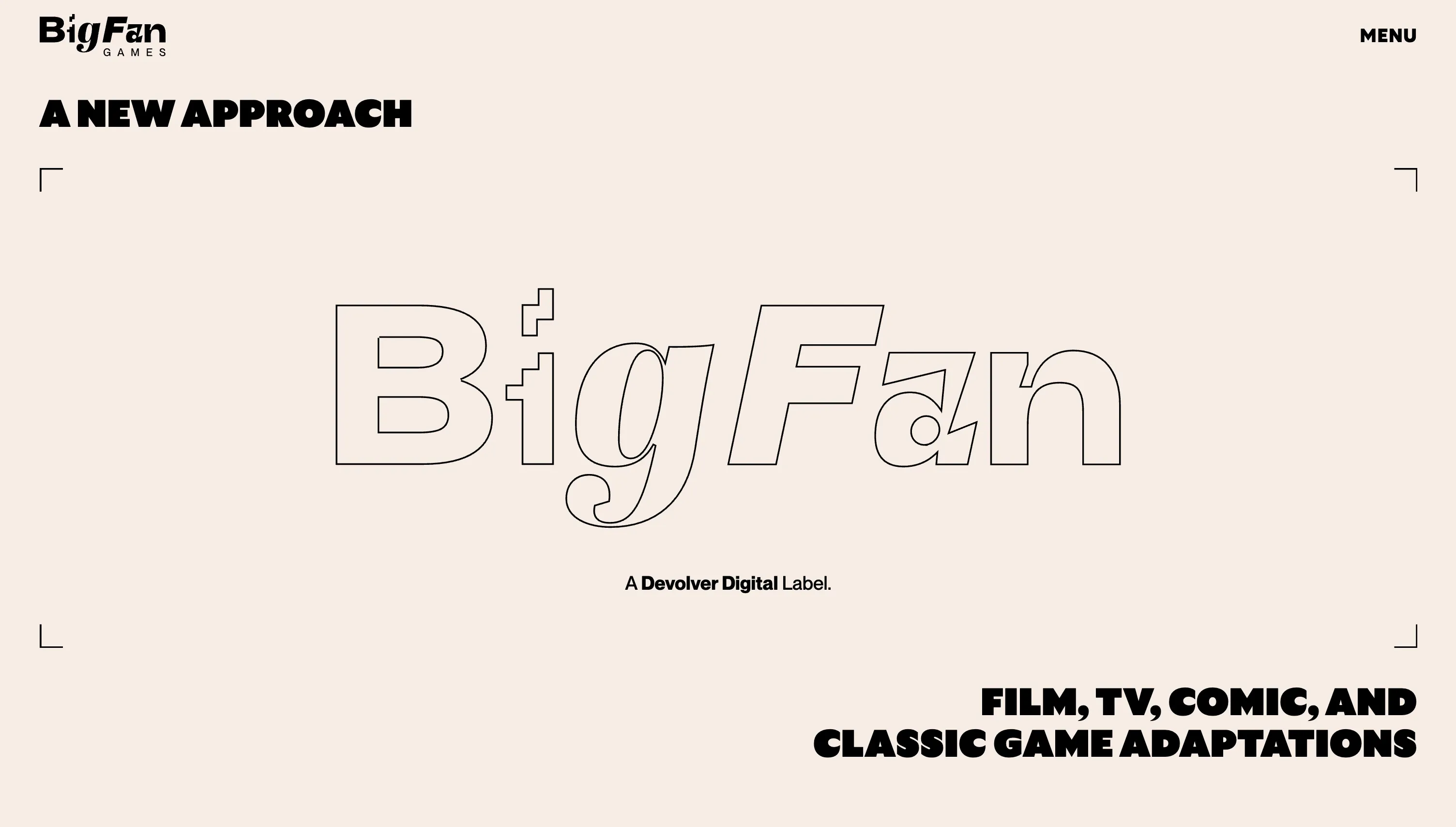
Beyond individual titles, we also designed and developed the marketing website for Good Shepherd (GSE) itself, supporting their publisher positioning and studio narrative. When the company rebranded to Big Fan Games, we delivered the new marketing platform that reflected the evolution of the brand while maintaining continuity across their portfolio. Supporting both title-level websites and publisher-level ecosystems gave us insight into the broader strategic layer behind game marketing, not just single launches.
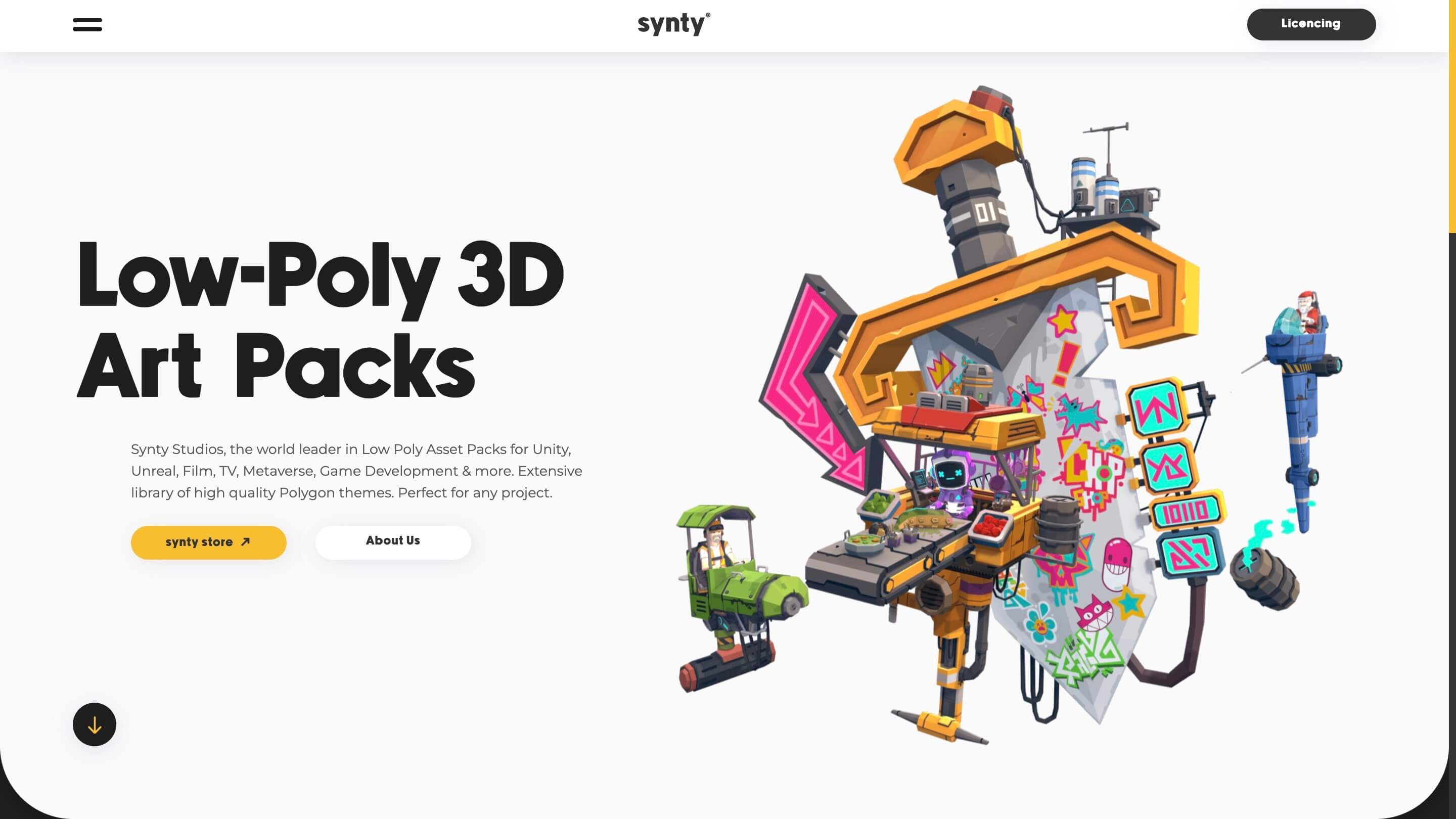
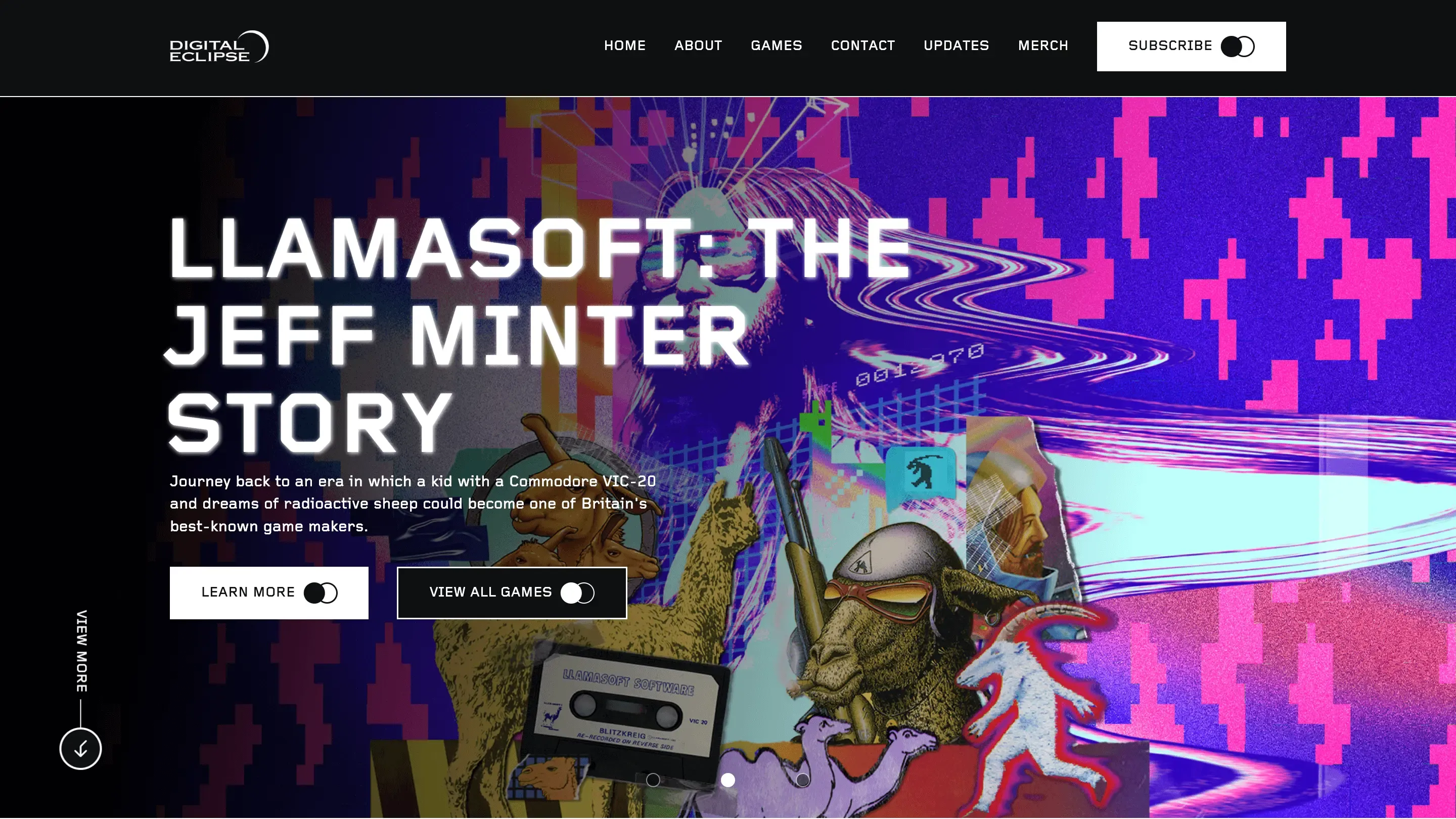
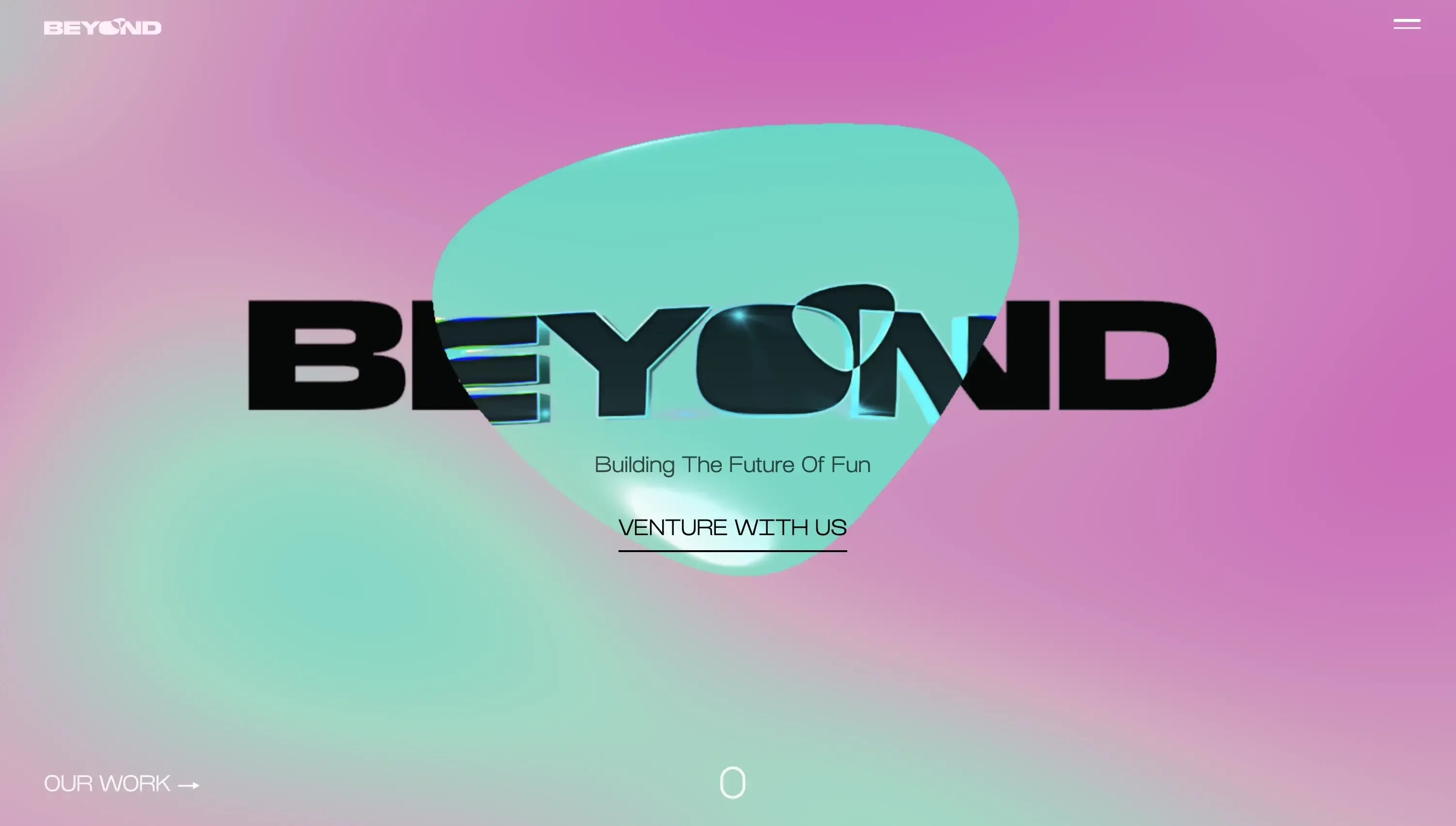
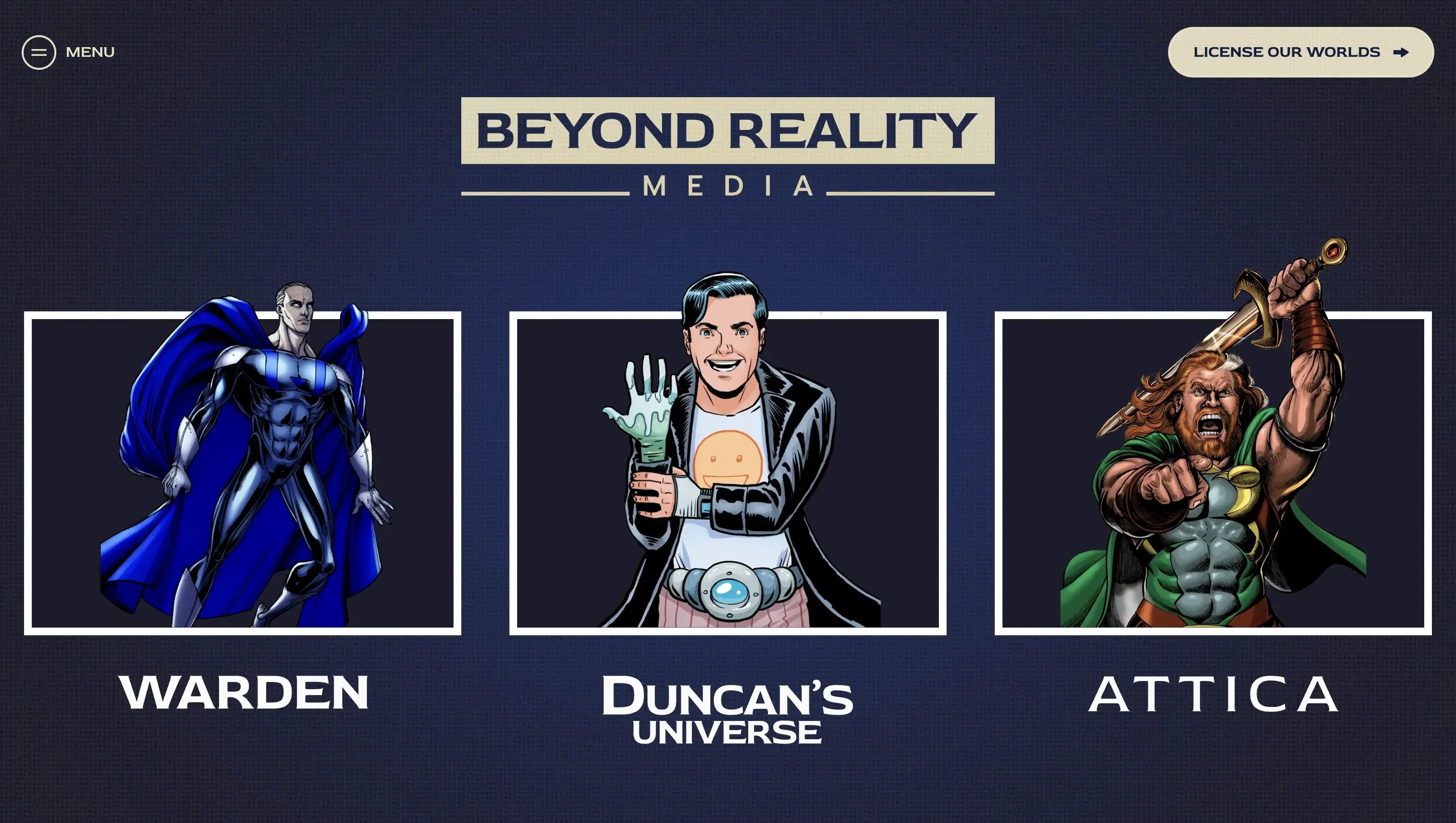
Beyond this partnership, we have built studio websites for Digital Eclipse, Synty Studios, Beyond Studio, and Beyond Reality Media. Each project required a slightly different approach, from showcasing legacy franchises to supporting emerging IP and immersive media ventures.
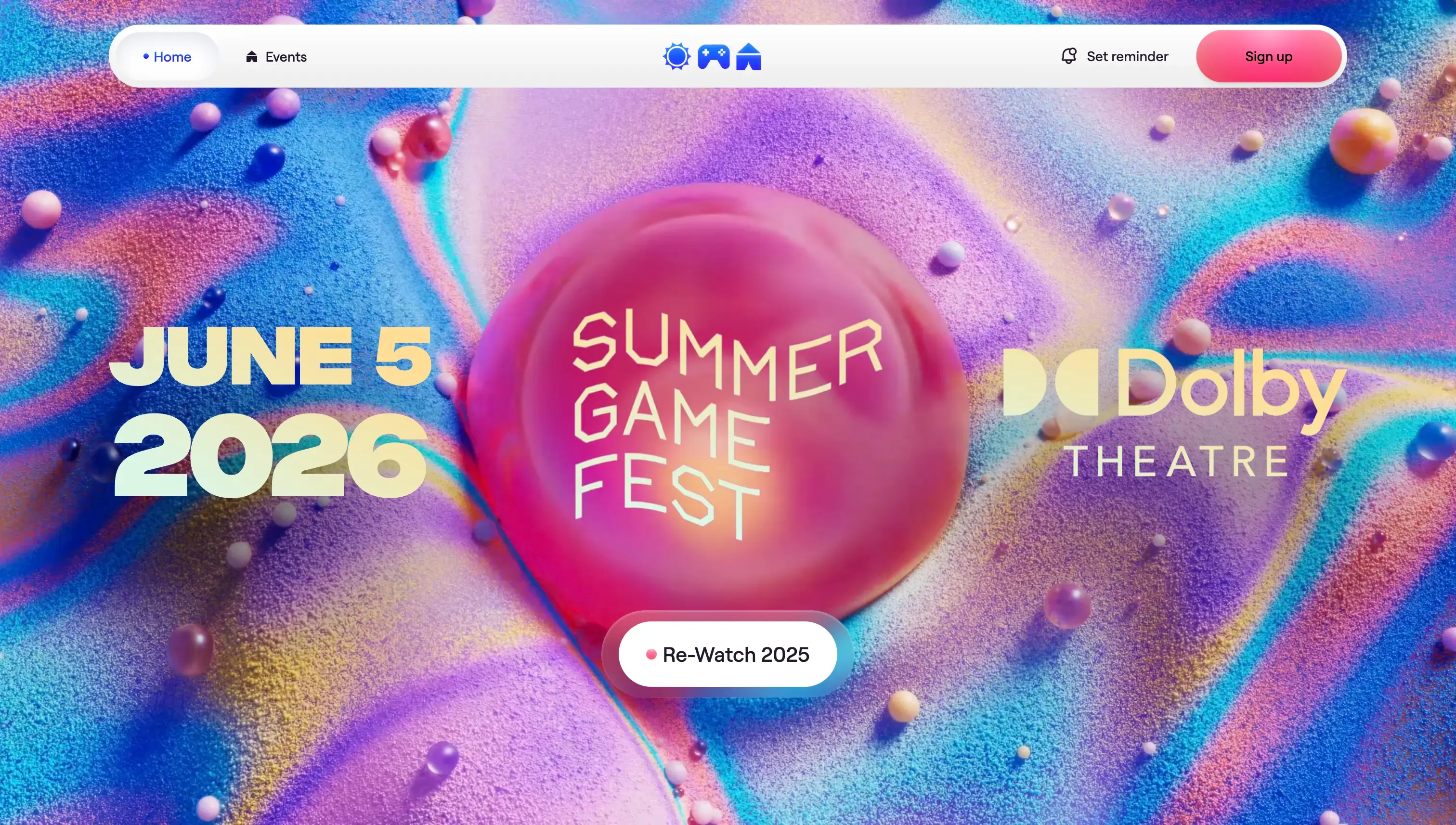
Since 2023, we have partnered with Summer Game Fest to support and promote each year’s showcase. Produced and hosted by Geoff Keighley, the event attracts millions of global livestream viewers and serves as a major platform for new game announcements and reveals. Supporting a gaming showcase of this scale requires performance-first engineering, structured CMS architecture, and rapid deployment workflows capable of handling announcements, partner integrations, and live content updates under significant traffic demand.
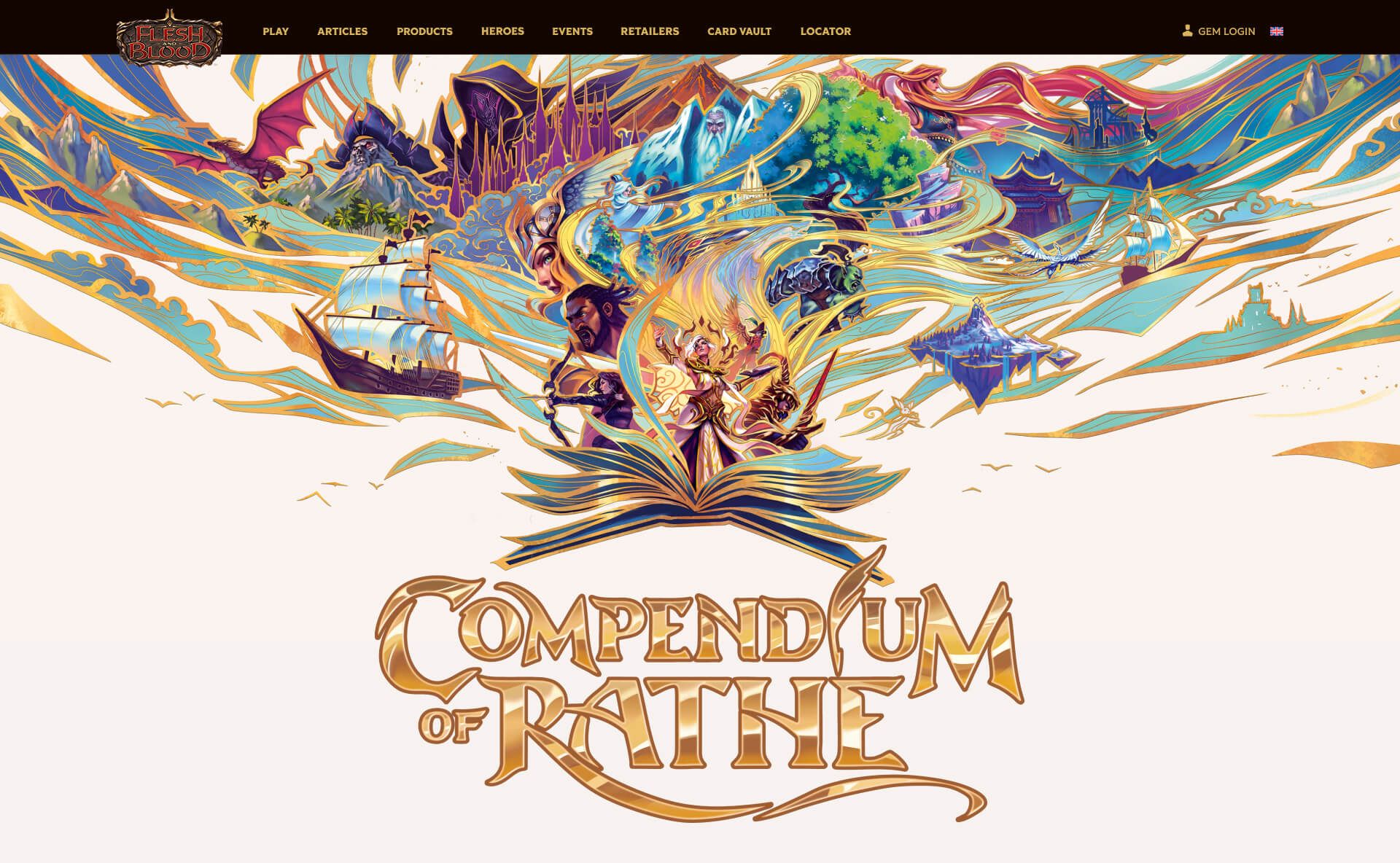
In 2026, we began working with Flesh and Blood to support the design and development of new product pages and digital assets. Trading card games present a distinct digital challenge. They require scalable CMS systems capable of supporting ongoing expansions, collectible product ecosystems, and lore-driven storytelling. Our work in this space further reinforces our position as a specialist agency across video games, tabletop games, and interactive IP.
You can explore more entertainment and IP-driven projects across our portfolio.
Webflow as a Foundation for Gaming Websites
As a Webflow Enterprise Partner, we use Webflow as the backbone of our gaming platforms. For studios and publishers, this provides a powerful balance of creative control and enterprise reliability.
If you're evaluating Webflow for gaming infrastructure, you may also find our breakdown of Webflow features for businesses in 2026 helpful.
Game launches and major updates can generate sudden surges in traffic. Webflow’s infrastructure supports high-volume performance while still allowing us to layer in custom front-end enhancements and advanced interactions. Security is equally important. Gaming websites often integrate mailing platforms, storefront links, media kits, and community forms, and enterprise-grade hosting ensures stability under pressure.
Just as importantly, Webflow enables rapid iteration. Game marketing cycles move quickly. Trailers drop, release dates shift, and platform partnerships evolve. Our workflow allows updates to be deployed efficiently without destabilising the overall architecture.
We also design CMS systems intentionally for long-term SEO. Ranking for game titles, expansions, and franchise keywords requires technical structure, clean semantic markup, and content flexibility. For studios looking for gaming website development that supports both launch impact and long-term discoverability, this is essential.
Evolving Our 3D Web Pipeline
Our work in interactive web environments has matured significantly over the past few years. While we previously explored Unity-based browser experiences, our pipeline has evolved toward a modern, high-performance WebGL approach built with React-based rendering and optimised asset workflows.
We explore this transition in detail in our article From Unity to WebGL: Building High-Performance 3D Experiences for the Modern Web. The shift allows us to render 3D models directly in the browser while maintaining performance across devices and preserving accessibility and SEO integrity.
A strong example of this thinking was our immersive digital experience for the 2023 All Blacks Rugby World Cup Jersey Launch. Using WebGL, Unity and React, we created a narrative-driven browser journey that moved users through a virtual stadium environment before revealing the product. Although not a video game, the technical principles directly inform how we approach interactive gaming websites today.
For game studios, this means we can integrate real-time 3D assets, cinematic transitions, and environmental storytelling into Webflow-based ecosystems without compromising speed or scalability.

AI in Gaming: Sensitivity, Craft, and Community Trust
AI is reshaping many industries, including gaming. Tools for procedural generation, localisation, QA automation, and asset experimentation are becoming increasingly common across development pipelines. At the same time, AI remains one of the most sensitive topics within the gaming community.
We use AI daily across our internal workflow, from discovery and structuring to code optimisation. However, when it comes to visual assets and creative expression, we are extremely careful.
We never generate AI imagery for game websites unless explicitly requested by the studio or publisher. Gaming communities are highly protective of artistic integrity. In recent years, there have been multiple instances where games faced backlash after players discovered AI-generated art in promotional materials or in-game assets. One widely discussed example was The Finals, which faced criticism after the use of AI-generated voice lines was revealed. Similarly, AI-generated art controversies have surfaced on platforms like Steam, prompting Valve to introduce additional scrutiny around AI-generated content disclosures.
The reaction from players is not just about technology. It is about trust, labour, and authenticity.
Games are a human medium driven by emotion and intention.
That sentiment is widely shared across the industry.
For us, this means a clear boundary:
- We do not use AI to replace illustrators, concept artists, or key visual designers.
- We do not generate promotional imagery for a game without explicit direction.
- We do not allow automation to dilute a studio’s artistic voice.
Where AI is useful is in workflow efficiency. It can assist with structuring content, analysing performance, generating code scaffolds, or exploring layout concepts. But every output is curated, edited, and refined by our team to ensure the final result feels deliberate and aligned with the IP.
We explore this philosophy in more depth in our article When to Build with AI and When to Use Webflow & Custom Code. The core principle is simple: AI is a tool, not a creative replacement.
For studios and publishers, this approach protects brand integrity and community trust while still benefiting from technological advancement.
Why Game Companies Choose Psychoactive
Studios and publishers work with us because we understand both the technical and cultural dimensions of gaming. We appreciate release cycles, community expectations, franchise continuity, and the importance of distinct visual identity in crowded marketplaces.
We do not treat a game website as a static marketing asset. We treat it as an extension of the world itself.
Our focus moving into 2026 and beyond is to deepen partnerships with established franchises and ambitious studios looking to push what a gaming website can be. The future of game marketing on the web lies in performance-first builds, structured ecosystems, immersive interaction, and technically rigorous execution.
For studios searching for a design agency with experience working with games and game companies, our track record, enterprise Webflow expertise, evolving WebGL capability, and thoughtful stance on AI position us as a dedicated long-term partner rather than a generalist supplier.